Learning nugget: Filling and feeding systems

SUMMARY:

Industry demands the production of low-cost components, which, in the case of castings, entails a series of challenges and demands, such as high productivity. The availability of machines capable of mass-producing sand molds at high speeds means that filling these molds with liquid metal cannot be a limiting factor in manufacturing. Therefore, the proper design of filling systems, which optimizes filling times without increasing the speed at which the liquid metal enters the mold, is essential for maintaining manufacturing speeds.

Likewise, system performance—the ratio of the weight of the parts produced in a mold to the total weight of the system—is also a key factor for competitiveness. The goal must be to increase this performance, either by increasing the number of parts per mold or reducing the volume of the filling and feeding systems. Understanding the metal solidification processes inside the part will minimize the need for liquid metal fill to avoid shrinkage defects by adjusting the size and number of feeder elements.

Simulation tools make it possible to validate previously calculated systems, verifying their correct sizing and minimizing the possibility of part shrinkage defects. This reduces the number of tests required when industrializing new references and significantly reduces industrialization costs.


INDEX:

1. INTRODUCTION

2. FILLING SYSTEMS

2.1- Elements of a Filling System
2.2- Types of Runners
2.3- Types of System
2.4- Equations
2.5- Examples

3. FEEDING SYSTEMS

3.1- Basic Principles
3.2- Module Concept
3.3- Riser Design
3.4- Coolers


(*) This training module, dedicated to the filling and feeding systems phase, is part of the “Introduction to Iron Casting” training series, which consists of 13 short videos lasting between 15 and 40 minutes.

Language: 

English (soon)

Target audience:

  • Technical and non-technical staff of iron foundry companies.
  • New hires.
Team

Shaping the
Foundry of the Future

“The Foundry of the Future is that of connected processes that is able to take advantage of the knowledge generated inside the company at the same time that it keeps learning from its manufacturing and market experience.

Along with a deep knowledge of metallurgy, Industry 4.0 technologies, advanced data management systems and machine learning technologies have landed in this industry to transform the way castings are conceived”.

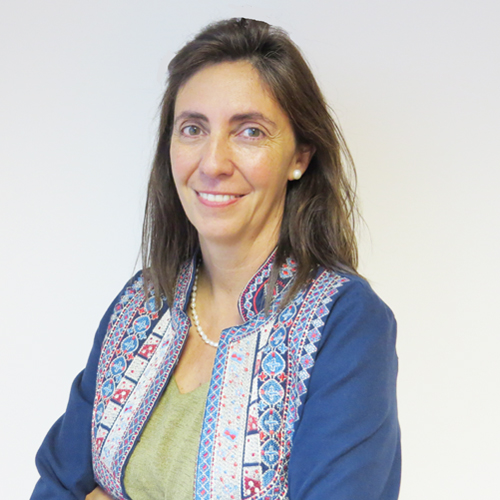
Susana Méndez, PhD

Susana Méndez, PhD
Director of Foundry Technologies

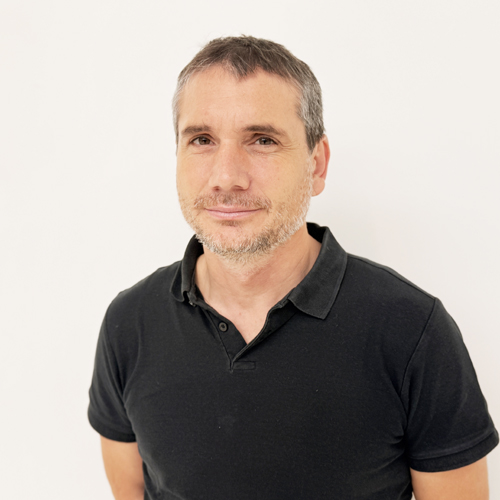
Aitor Loizaga

Aitor Loizaga
Iron Foundry Technologies

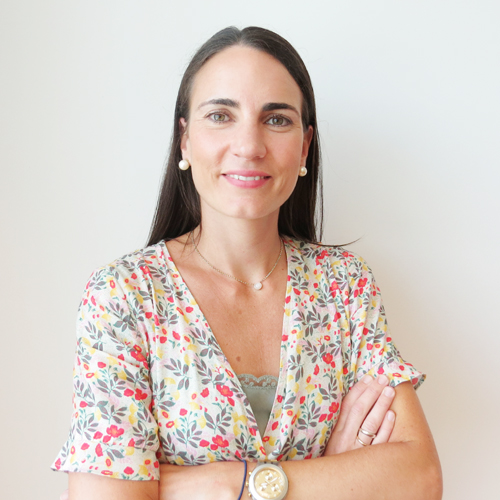
Asier Bakedano, PhD

Asier Bakedano, PhD
Light Materials

Dr. Javier Nieves

Javier Nieves, PhD
Intelligent Manufacturing Technologies

Lucía Unamunzaga Castelllanos

Lucía Unamunzaga
Sustainability and Environment

xxxxx

Back

Contacta con Susana.

Contact with Aitor Loizaga

Contacta con Asier.

Contacta con Javier.

Contact Lucía.

Contact Susana.

Contact Asier.

Contact Javier.

How can we help you?.

Mantente informad@ de la actividad de AZTERLAN

Keep up with AZTERLAN’s activity.

Contact Gorka

Get in touch with Andoni

Contacta con Ramón

Contacta con Xabier

Contact with Maider Muro

Contact with Dr. Urko de la Torre

Contact with Dra. Anna Regordosa

Contact with Dr. Rodolfo González-Martínez

Contact Ander.

Contact with David Aristondo.

Contact with Juan J. Bravo.

Contact with David Garcia.

Contact with Jose Ramon.

Contact with Oihana.

Keep up with AZTERLAN’s activity.

Contact with David.

Contact with Ibon.

Contact with Hegoi.

Contact with Itziar.

Contact with Erika.

Contact with Beñat.

Contact with John.

Contact José Javier.