
AZTERLAN 1986-2026
"Arbola onak, itzal ona"
“Good tree, good shade”
2026 marks the 40th anniversary of AZTERLAN’s establishment as a Metallurgy Research Center. To commemorate this milestone, we share part of our journey each month through key figures from the AZTERLAN community.
The proverb chosen to commemorate this significant moment is a tribute to the support received by AZTERLAN along our journey, as well as a reminder of the importance of sustained growth, built on a solid foundation.



11. Strategic Collaborations

NOVEMBER
Collaboration with strategic partners to address future challenges
Days
Hours
Min.
Sec.
12. Social Commitment

DECEMBER
Adding value to our society
1.
Our roots
“The arrival of the Marist community in Durangaldea fostered an ecosystem that integrated local manufacturing traditions with technical knowledge. This context proved key to the industrial, economic, and social development of the region. The creation of the AZTERLAN Metallurgical Research Center is one of the fruits of this legacy.”
Daniel Irazola.
Director
Maristak Durango school
Maristak Durango school
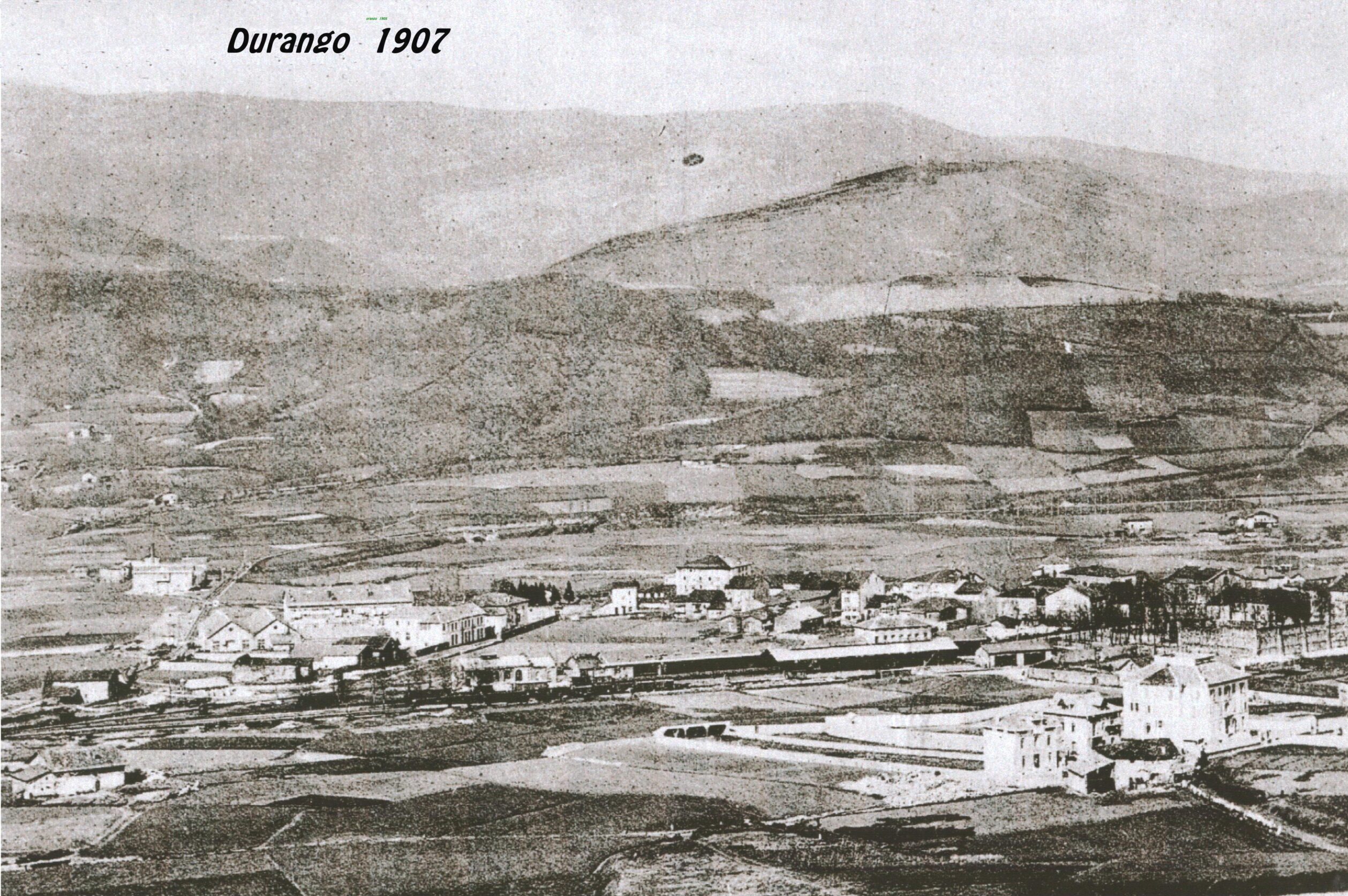
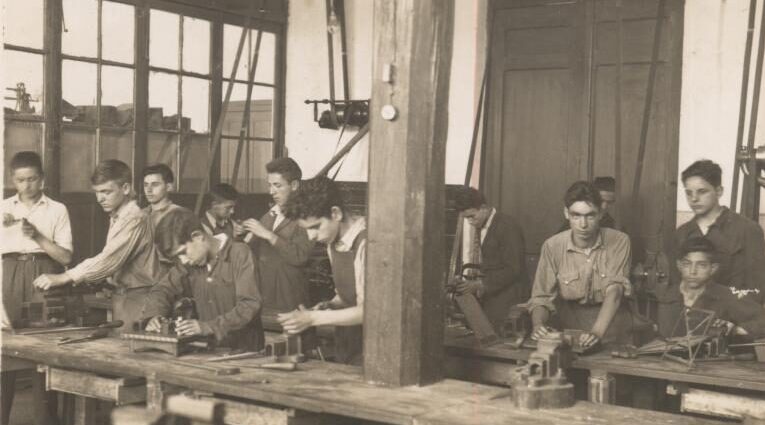
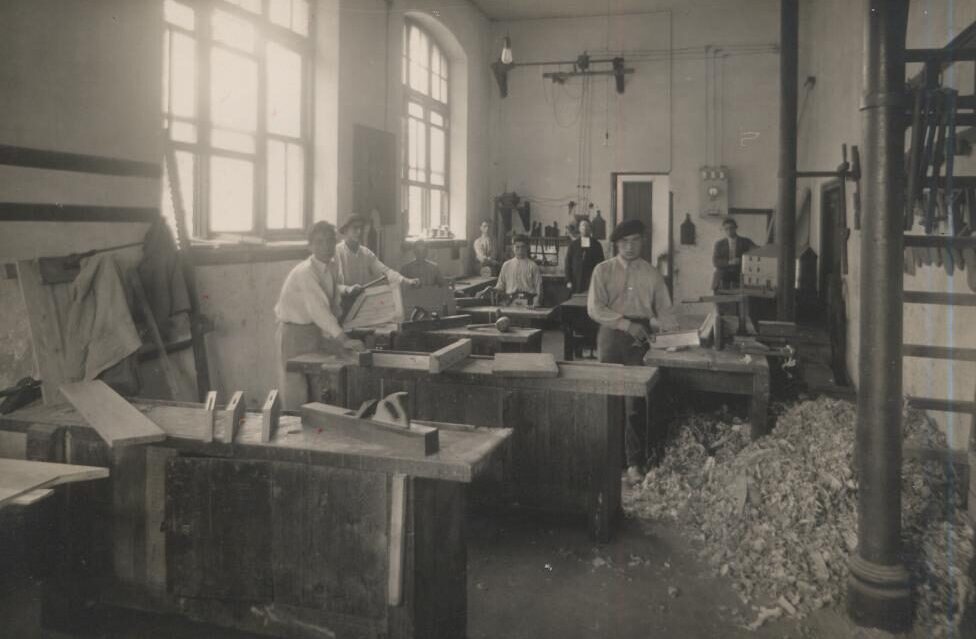
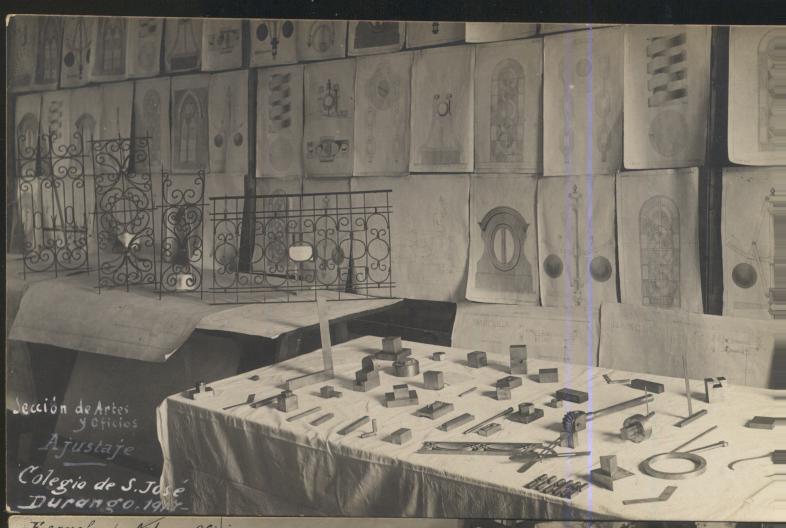
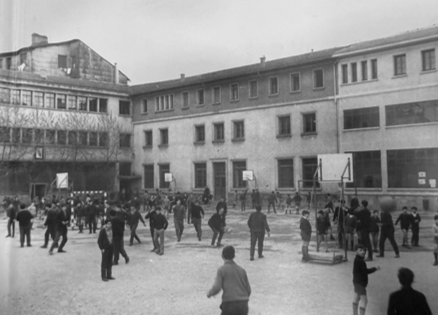
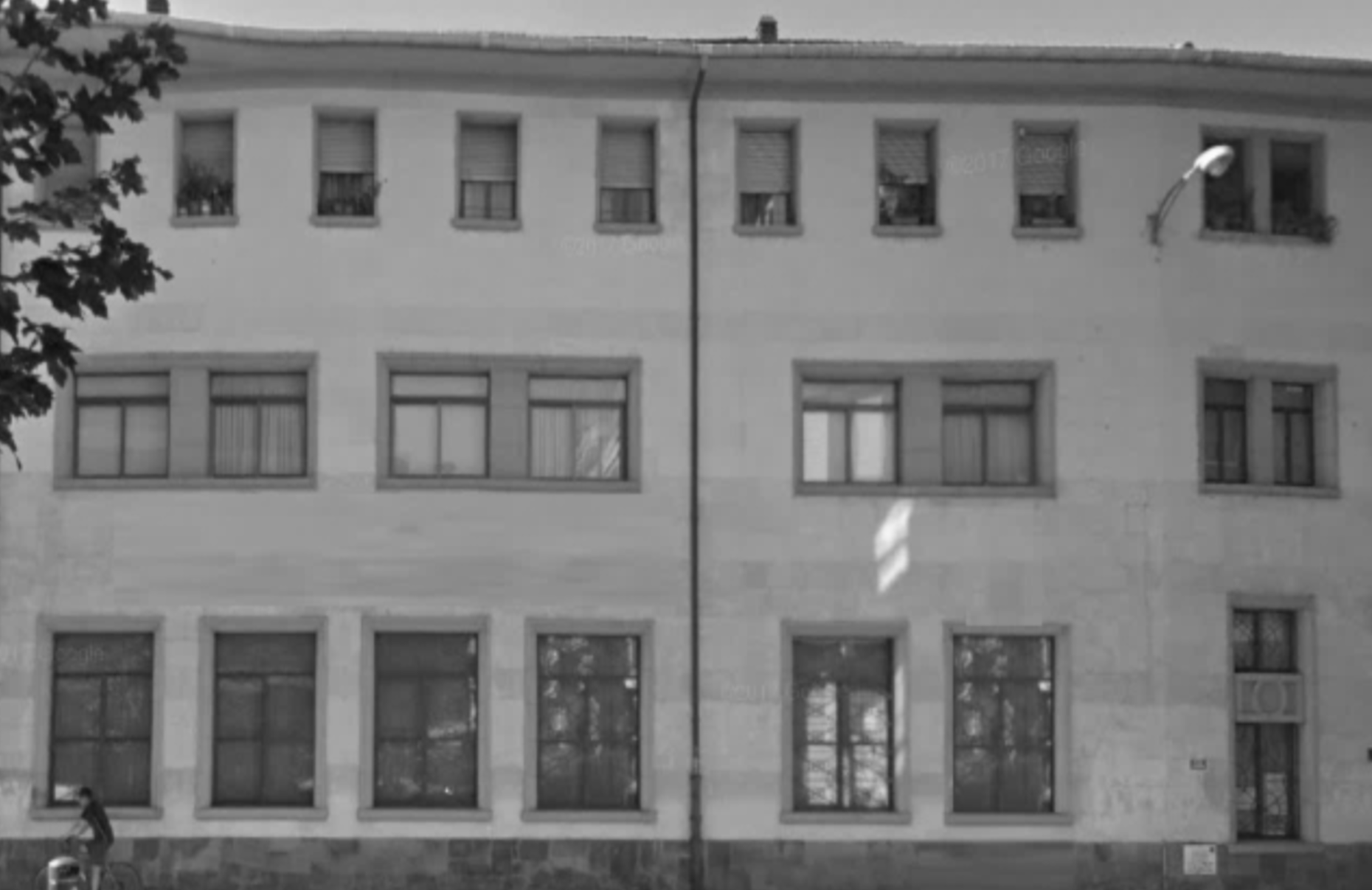
School of Arts and Crafts of the Marist Brothers of Durango
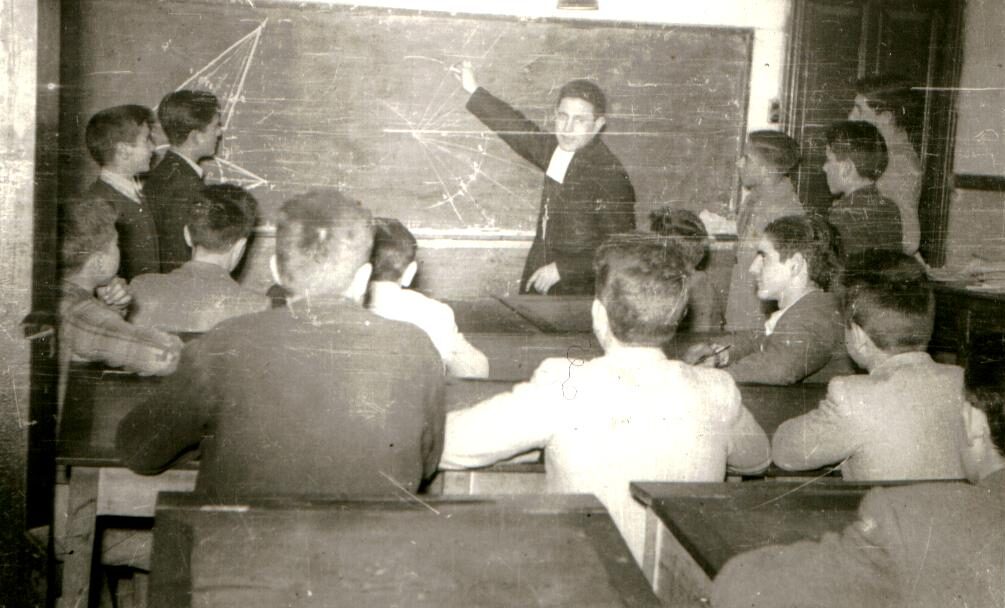
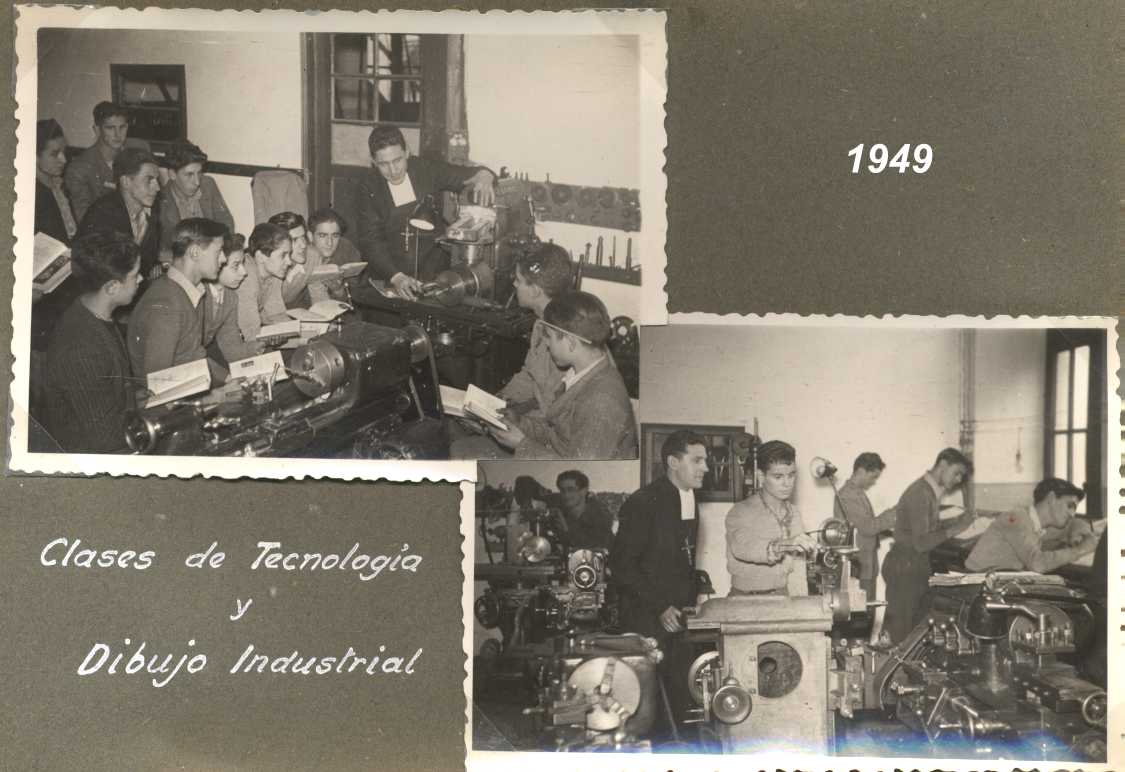
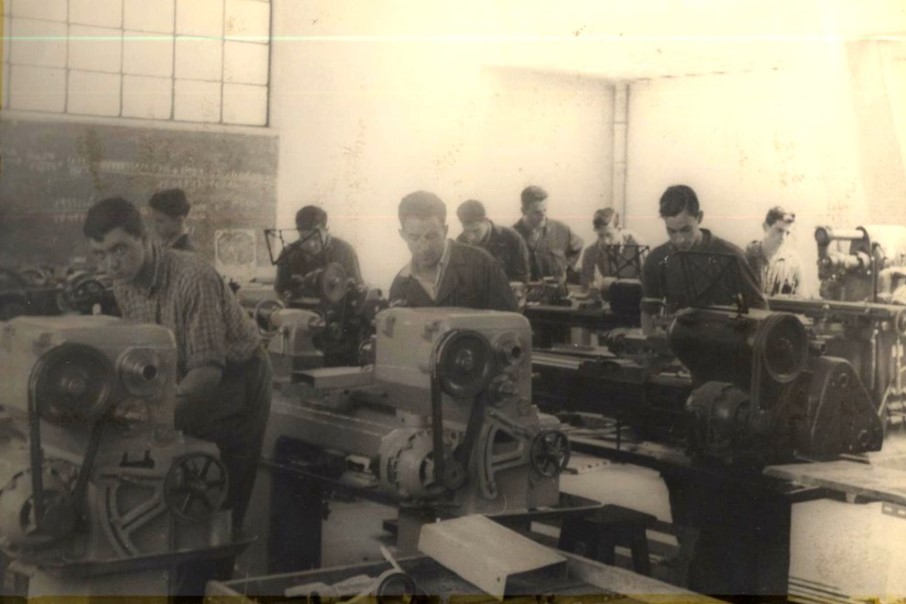
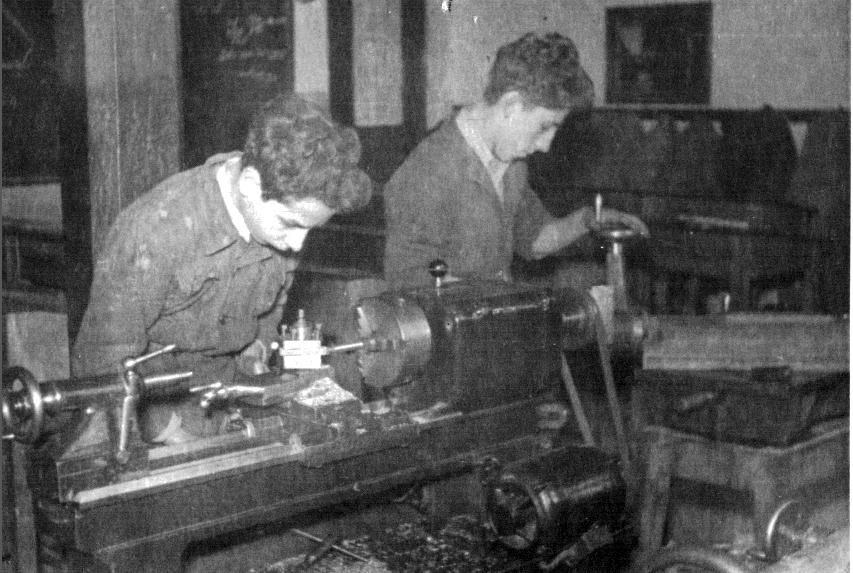
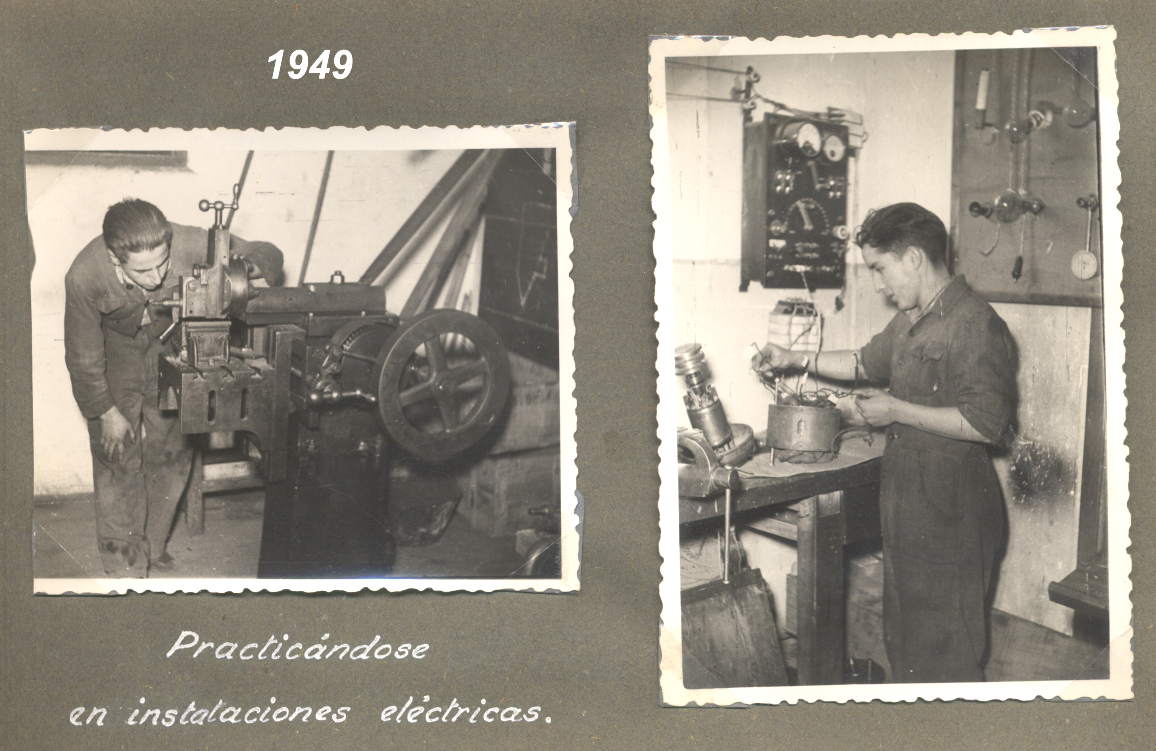
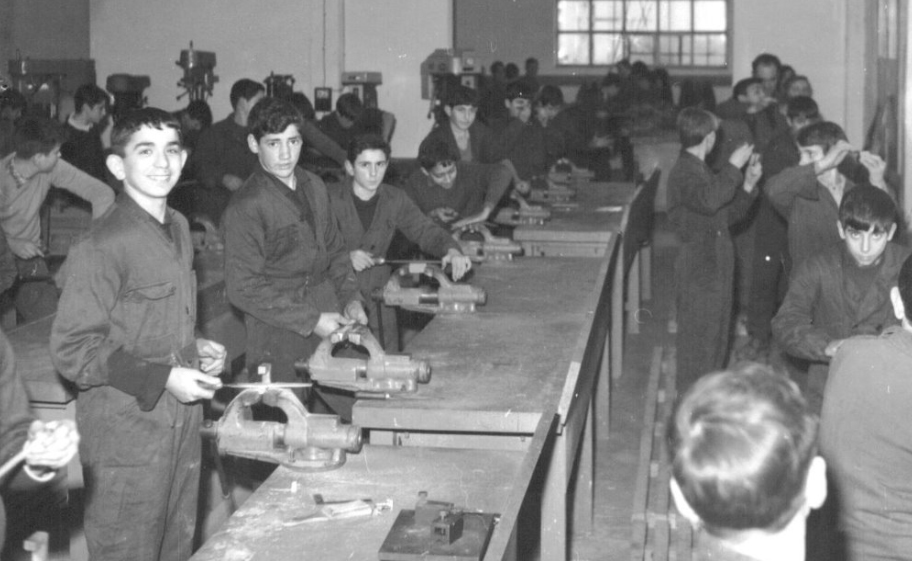
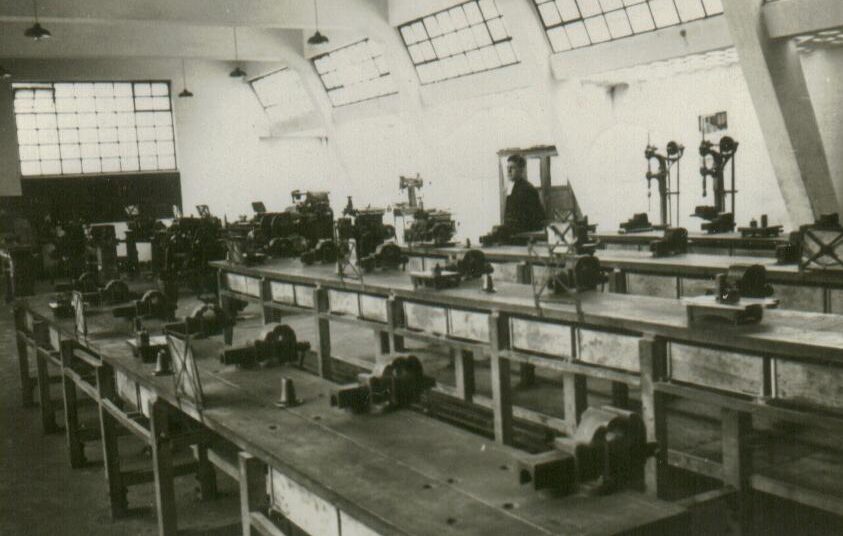
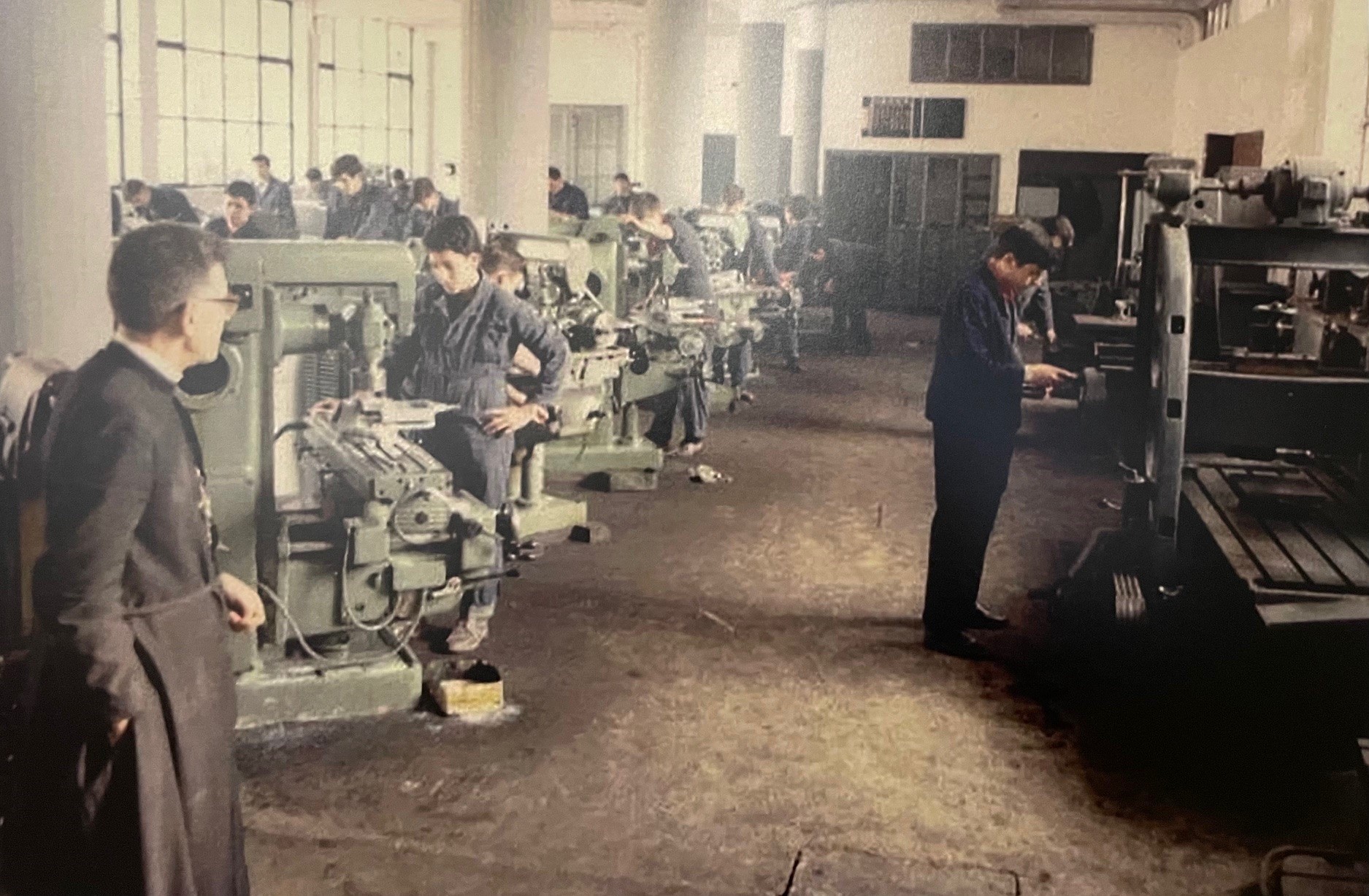
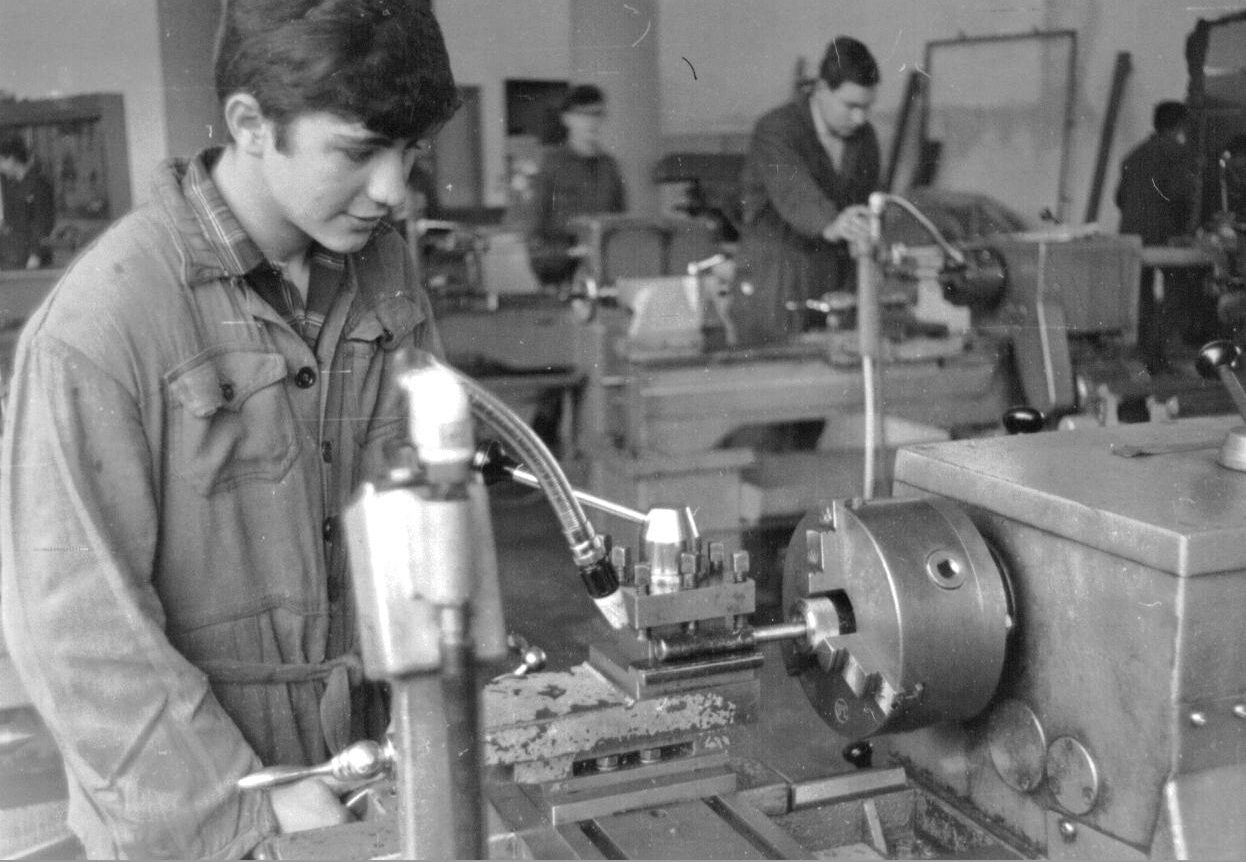
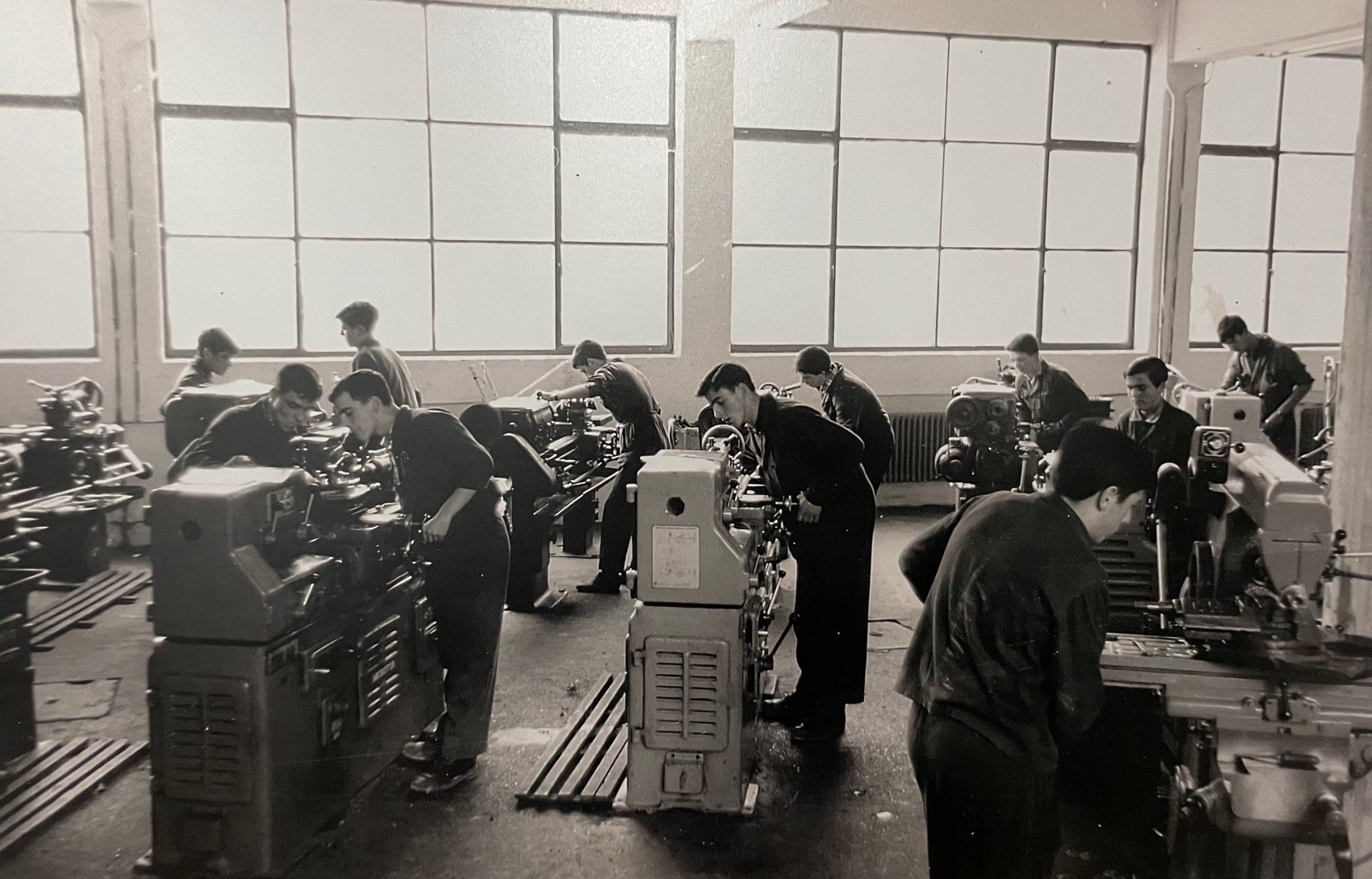
AZTERLAN originated in the Marist Brothers’ School of Arts and Crafts in Durango, a pioneering institution in technical and industrial training in the Durangalea region since the early 20th century. In a context of industrial transformation and a growing need for applied knowledge, the School became a meeting point between education, knowledge, and the local production sector.
During the 1960s and 70s, the boom in metallurgy and foundry work in Durangaldea raised awareness that training should be accompanied by scientific and experimental work, capable of supporting and responding to the technological challenges of industry.
From this concern arose the seed of what years later would become AZTERLAN: an organization dedicated not only to training, but also to the advanced testing and characterization of metallic materials, applied research, and technological innovation. Hence the organization’s name, of Basque etymology: “AZTERLAN” meaning “research work”.
Special recognition and acknowledgment are due to the Marist Institution and to those Brothers who, through their commitment, made the creation of AZTERLAN possible, with a clear vision of service and adding value to the local industrial sector and society:
- Pedro Huidobro
- Brother Zacarías Aguirre
- Brother Alberto Oribe
2.
OUR FIRST STEPS
Laying the foundations of an Industrially-Oriented Research Center
AZTERLAN emerged naturally within the Marist Brothers’ School of Durango, in a context marked, in the early 1970s, by the close relationship the institution maintained with the surrounding industrial ecosystem. This was a period of profound transformation in the metallurgical sector, which was beginning to demand higher levels of technical knowledge, analytical rigor, and control of materials and processes.
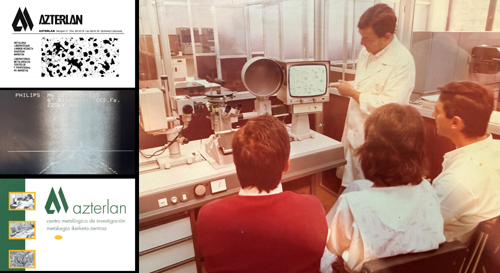
At this key moment, the School obtained a grant to create a laboratory as support infrastructure for the training of its technical students. Initially conceived as a teaching resource for vocational training practices, the laboratory gradually took on an additional role: providing technical services to industrial companies that were part of the School’s board of trustees. The first assignments consisted of simple tests, such as hardness testing, basic metallographic analyses, carbon measurements, or identification of structures in cast iron.
These tasks were carried out with limited equipment and under modest conditions, but with an attitude that would ultimately define AZTERLAN’s DNA: responding to the real needs of industry, learning through practice, and progressing steadily and consistently. The laboratory, then known as the Marist Laboratory, began to receive growing demand for services; not as a result of structured commercial action, but due to recognition among companies through word of mouth.
Continuous contact with the industrial environment marked a turning point. By the mid-1970s, companies were already turning to the Laboratory in search of answers, and it began to operate as a service unit of the School. Members of the team at that time, Alberto Oribe as Laboratory Director, Julián Izaga as Technical Director, Maite Zaldibar as Administrative Officer, and Izaskun Gorostiza and Ricardo Gezala as Laboratory Technicians, together with Jesús García (who belong to the AZTERLAN team until 1997), recall a period of “low turnover, but very close relationships with client-company personnel.” Every small increase in activity was experienced as a shared achievement. Celebrating these advances became a natural part of the growth process and reinforced a climate of enthusiasm and continuous learning that went far beyond the logic of a school laboratory.
The development of the laboratory was clearly organic. It did not respond to formal strategic plans, but rather to a simple and effective dynamic: industry raised needs, and the laboratory evolved to meet them, often requiring additional learning efforts with each new challenge. This process relied decisively on the knowledge of the School’s teaching staff, collaboration with company technicians, and a very close relationship with clients and their real problems.
One milestone fondly remembered by the team from this period was the acquisition of the first spectrometer, “brought from Belgium for five million pesetas at the time,” which represented a genuine transformation in technical capacity. This investment enabled a significant qualitative leap in speed, reliability, and analytical scope. It was a major commitment for the time and set a pattern that would be maintained over the years: investing in capabilities to better accompany industrial evolution and respond to its needs.
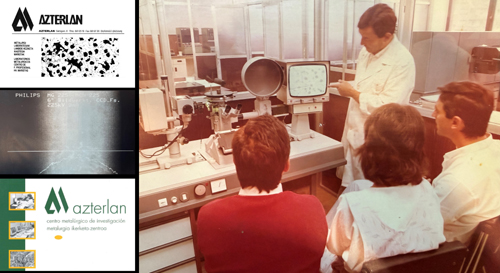
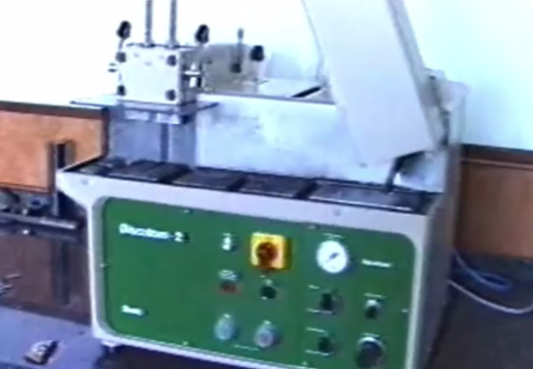
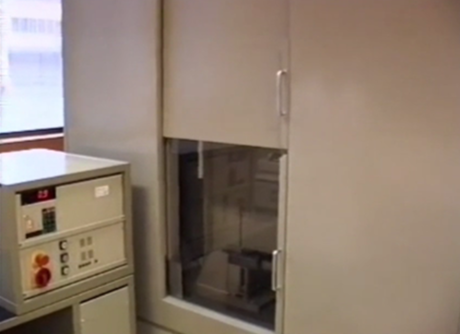
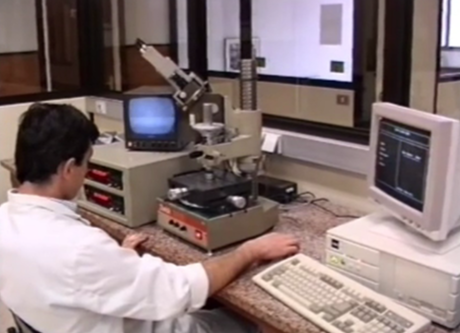
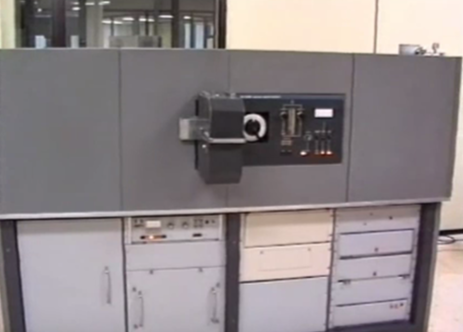
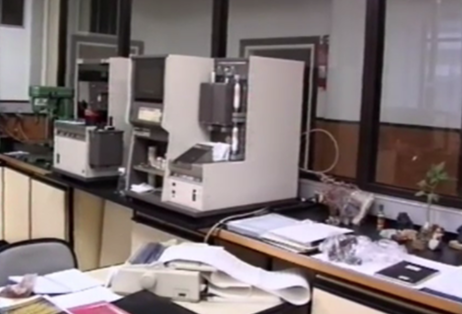
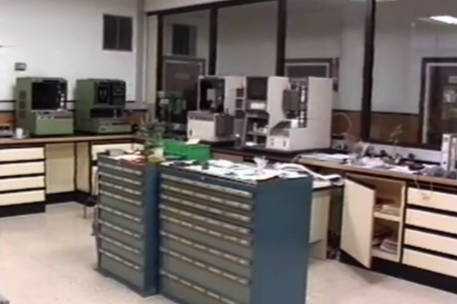
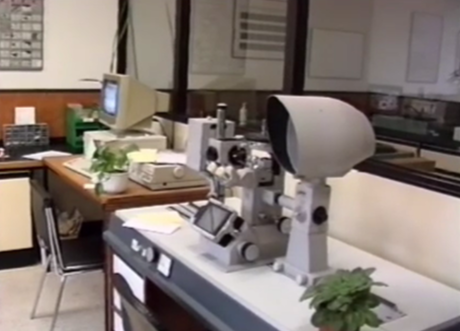
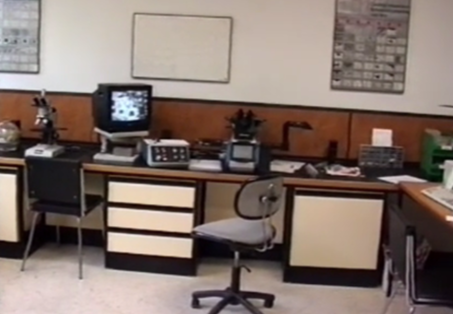
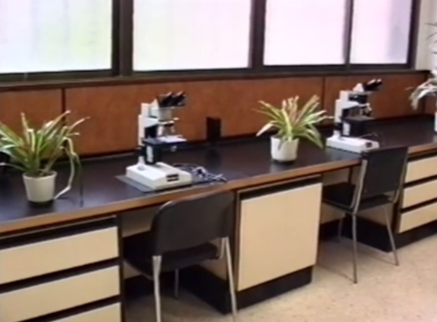
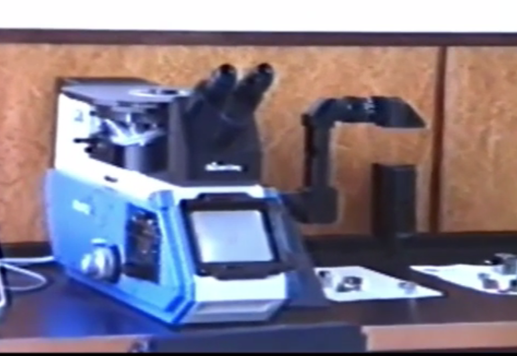
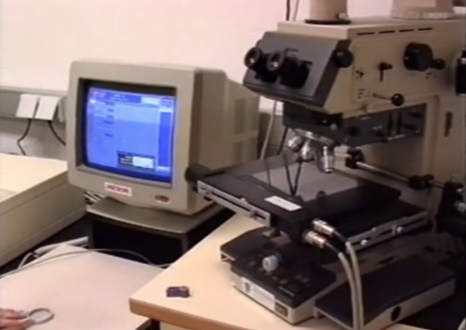
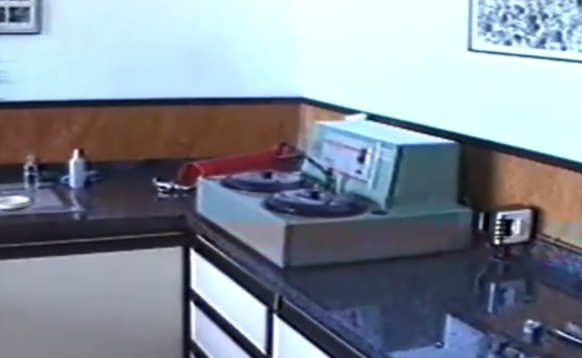
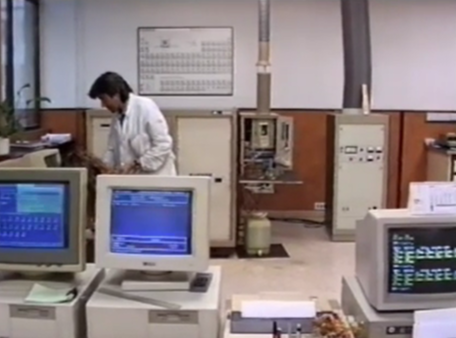
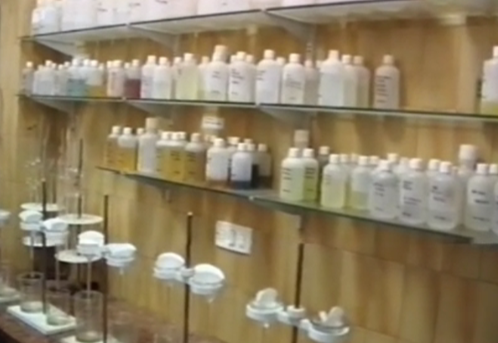
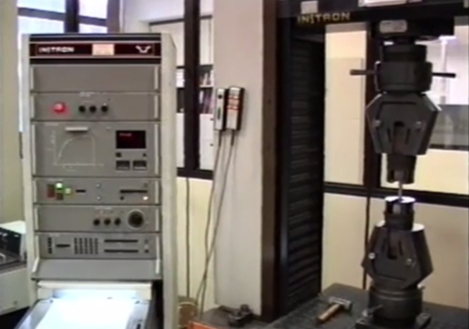
By the mid-1980s, this sustained growth revealed a reality that was hard to ignore. The laboratory no longer fully fit within the organizational structure and rhythms of an educational center. The demands of industrial service, working hours, labor agreements, and operational dynamics required an entity with its own legal and operational identity.
In 1986, a key decision was made: the establishment of AZTERLAN as an independent entity. Until then, the Laboratory had been part of the Marist School, but from that point onward, a new phase began, without breaking with the past, but within a more suitable framework for development. The name AZTERLAN, chosen for its Basque roots and its faithful reflection of the nature of its activity (analysis and research), helped consolidate a clear and recognizable identity. In this initial phase, AZTERLAN continued its activity in the same facilities, within the School grounds, in the center of Durango municipality. This process took place in a demanding competitive environment, where AZTERLAN coexisted with larger and more established entities. The team recalls those years as a period of intense but rewarding work, marked by a high degree of personal involvement and strong human bonds.
In hindsight, those involved in these first steps agree that “AZTERLAN was not built from an explicit ambition for growth, but from daily commitment, shared effort, and a strong culture of collaboration.” At the time, it was difficult, if not impossible, to imagine the scope the project would eventually reach, driven by that first core of young professionals, supported by a broad network of committed people who contributed knowledge, time, and trust.
Later milestones would follow, such as obtaining ENAC accreditation (1994), the progressive incorporation of R&D activities, or the move to new facilities on the outskirts of Durango (2006), along with constant investment in infrastructure and capabilities and significant staff growth, which would represent a qualitative leap both technically and organizationally.
Today, AZTERLAN is an internationally recognized Technology Center. However, its identity remains deeply linked to those early years: closeness to industry, continuous learning, human commitment, and a shared way of understanding work as a driver of technological and social development.
One Project, Four Perspectives
Alberto Oribe, Maite Zaldibar, Izaskun Gorostiza , and Ricardo Gezala formed, together with Julián Izaga and Jesús García, the first AZTERLAN team.
Alberto Oribe
Former teacher and Laboratory Director, and current President of Casa Maristas Azterlan
In 1976, Brother Alberto Oribe joined the teaching staff of the Marist Brothers’ School of Durango and soon assumed two new responsibilities: Head of Studies and Director of the School Laboratory, which was beginning to develop activities beyond teaching. Together with Julián Izaga (then a teacher at the School), they formed a team with an entrepreneurial mindset and a clear vision of the future. Their enthusiasm and ability to motivate the laboratory team at this crucial moment, as well as to involve people from the School’s environment, were key to the birth and consolidation of AZTERLAN.
Alberto attributes AZTERLAN’s success to two fundamental factors: the strong support of the Marist Institution, which has always backed the AZTERLAN project and “allowed us to dream and make bold decisions,” and the involvement and commitment of the team that has been part of the organization and “has lived the AZTERLAN project as their own.” He highlights the gradual growth that made it possible to consolidate each stage and reach new milestones in an orderly way. Since its beginnings, Alberto has remained linked to AZTERLAN and is currently part of its management team.
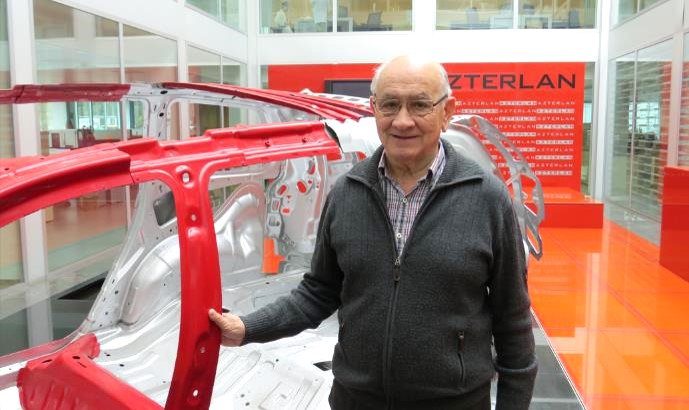
Maite Zaldibar
Administrative Officer
With training in Administration and still studying Informatics, Maite was part of the Secretariat of the Marist Brothers’ School of Durango when she received one of her first assignments related to the School Laboratory: supporting participation in the Machine Tool Biennial Fair with a dedicated stand.
From there, her involvement with the Laboratory grew: “coordination of orders, invoices, reports, generation of software programs and databases, customer service, … I remember those early days as a time when all of us had to do a bit of everything (in my case, except analyzing samples). We even had a photo development laboratory, because at that time the photographs taken of technical aspects of the analytic works were developed in-house to be included (glued) in the reports sent to clients.”
Maite recalls the beginnings of AZTERLAN as a time of intense activity and workload, but one carried out with the enthusiasm of developing a new personal and life project. The extraordinary relationship among team members, improvised birthday celebrations in the Laboratory, sharing special dates… “For those of us who were part of the birth of AZTERLAN, it has been our second home and our second family.”
Izaskun Gorostiza
Laboratory Technician, specialized in chemical testing
From AZTERLAN’s early steps, Izaskun highlights the direct and close relationship with companies’ technical staff as the basis for AZTERLAN’s progressive and almost unconscious growth. “We worked and learned as we searched for ways to respond to the problems companies presented to us. It is important to bear in mind that quality requirements in the metal sector were increasing, and companies were facing new analytical and technical needs, which they sought to resolve through our collaboration. We always accepted the challenges posed to us, even starting from complete unfamiliarity, which required significant analytical effort and a clear need to advance in knowledge.”
For her, this close relationship with client company technicians, along with adaptability to the industrial environment of those years and the trust placed in AZTERLAN by companies, were the greatest assets of those early years. Looking back, she acknowledges that only with time does one truly become aware of how much progress has been made over these 40 years and of the right decisions taken in those early stages.
Ricardo Gezala
Laboratory Technician, specialized in mechanical testing
Ricardo recalls the origins of AZTERLAN with a very clear logic: “our philosophy at the time was to keep improving day by day and respond to the challenges that arose.” In a context where work set the pace and decisions and investments were made in response to customer needs, it was not yet foreseeable that AZTERLAN would become what it is today.
Ricardo also highlights the strong personal bond that developed among those who formed the project’s initial core. The friendships, shared activities and sense of belonging have endured over time and, for Ricardo, represent the team spirit that was key to shaping the AZTERLAN we know today.
3.
Our evolution

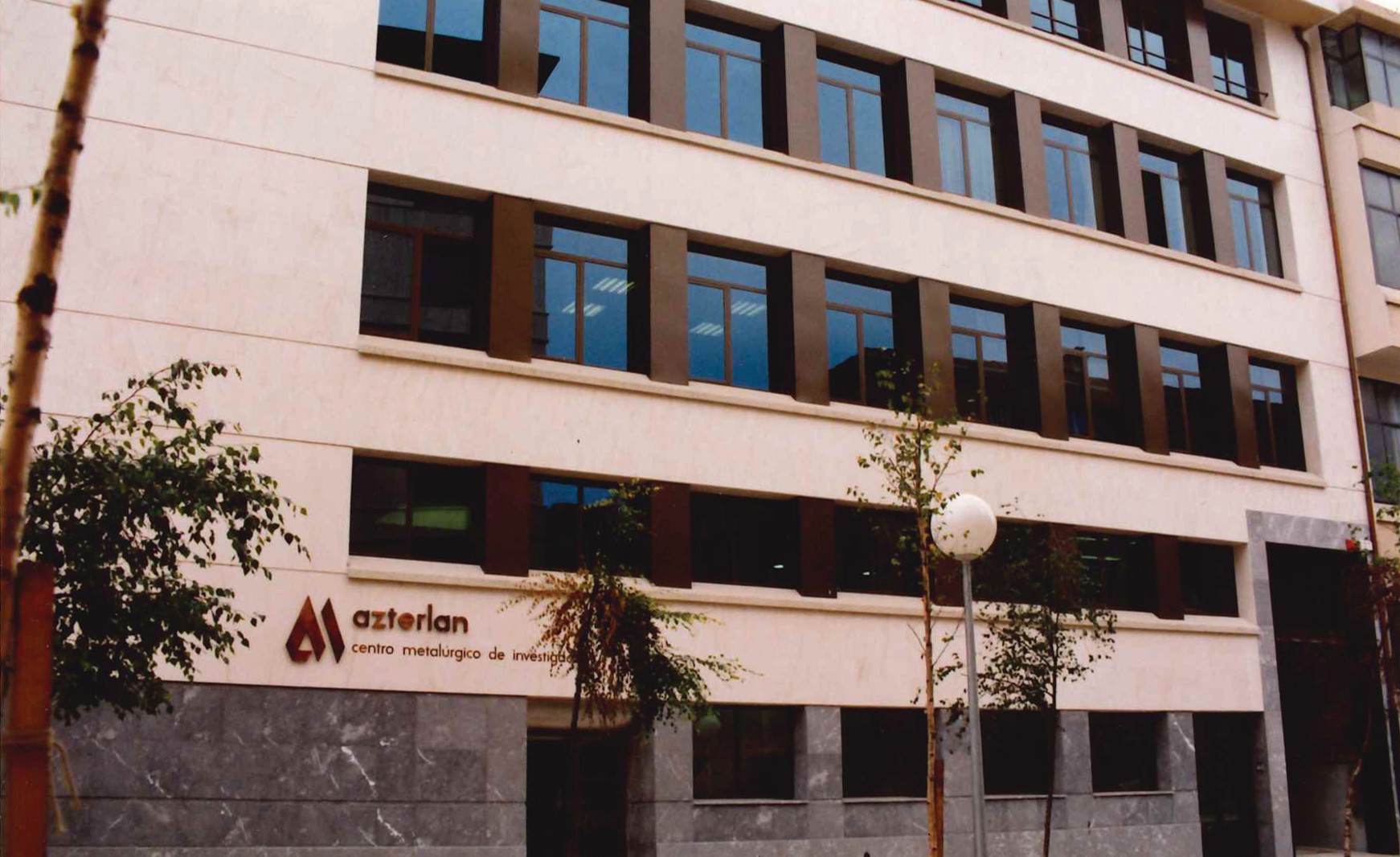


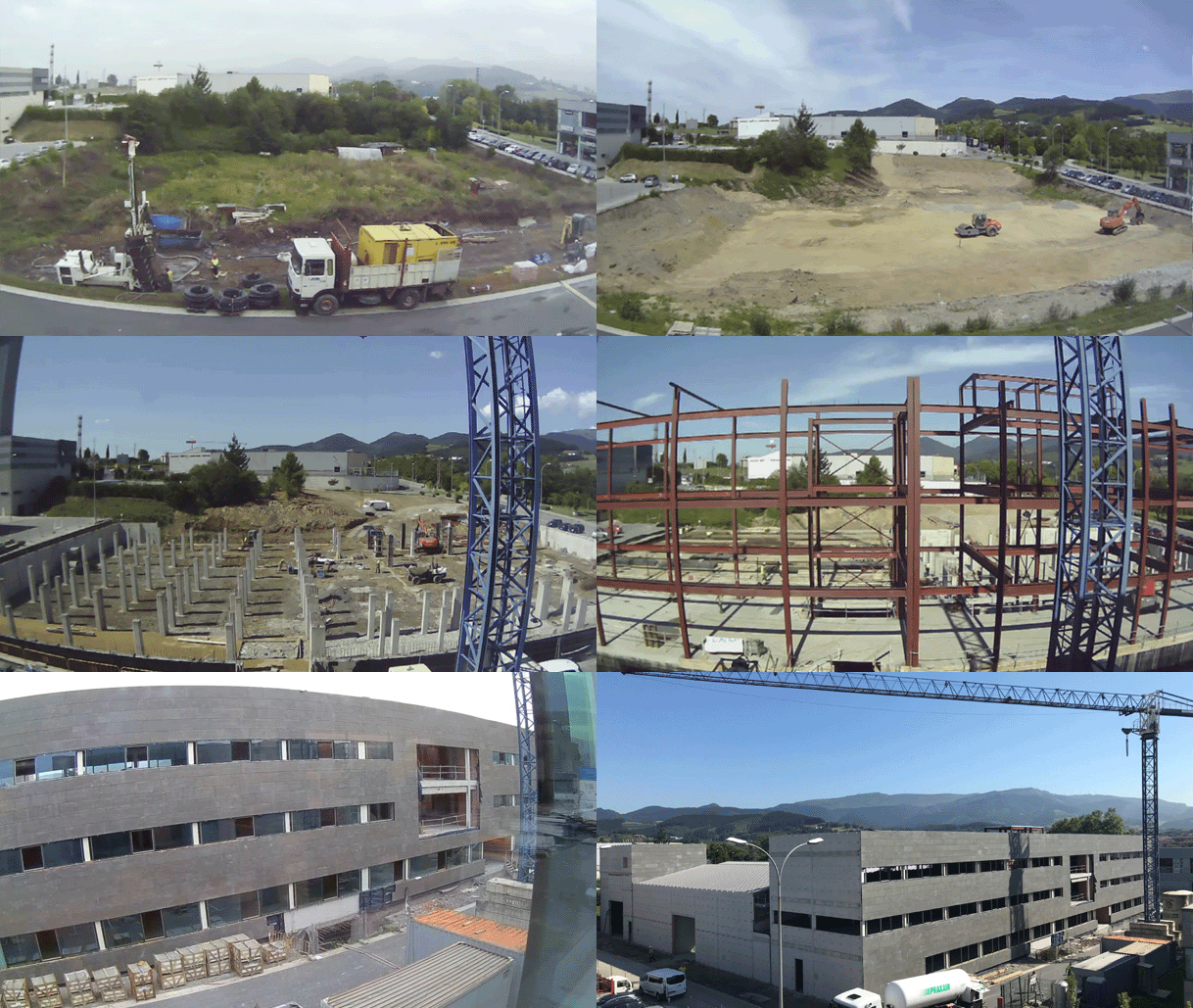
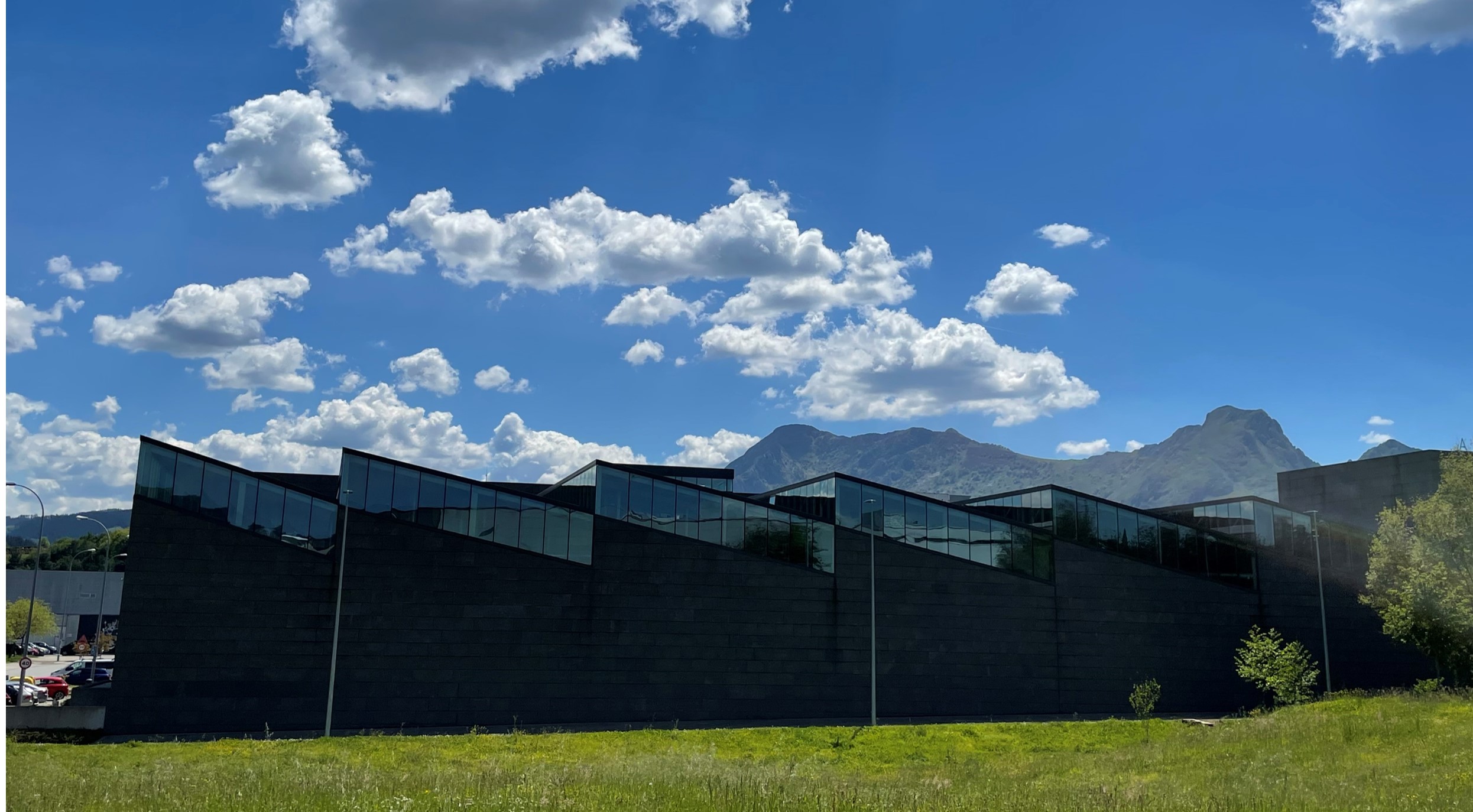
From its beginnings, AZTERLAN has undergone constant evolution, one of the clearest reflections being the development of its facilities, infrastructure, and technological capabilities, while simultaneously consolidating its positioning within a demanding and highly competitive market.
Those who have experienced AZTERLAN’s growth and transformation most closely agree that each expansion has represented a crucial moment for the organization and, at the same time, has provided a small boost and renewed enthusiasm.
In its early days, AZTERLAN was located within the facilities of the Marist Vocational Training School in Durango, where in 1995 the first major transformation took place: the construction of a new laboratory in what had previously been the School’s fronton court. “Closely following the construction works of what was going to become the New AZTERLAN was the way we dreamed and projected the progress of what we felt was Our own Project.”
However, what seemed destined to be the definitive facilities soon became too small again, “much sooner than expected”, and the Center once again experienced further growth: in 1998 part of its activity was relocated to the outskirts of Iurreta, with the construction of new facilities that would house the machining workshop and the innovation activity that was gradually beginning to take root. This would not be the definitive leap either.
After an important period of reflection, at a crucial moment when AZTERLAN was working to position itself within the local and international scientific and technological landscape, and with the reaffirmation that Durango (Biscay) was the place where it wanted to continue growing, in 2006 AZTERLAN moved to its current location. A green-field building in the Aliendalde Industrial Park, where it has continued to evolve in capabilities and infrastructure. These facilities were complemented in 2020 by a new annex pavilion, providing new semi-industrial-scale capabilities.
The Challenge of Moving Forward
Julián Izaga, Pedro Intxausti, José Mª Murua and Ramón Suárez have been the main leaders who, from their respective areas of activity, have guided AZTERLAN’s steady progress.
The development of new services and capabilities, the opening of new markets and horizons, translating dreams and projects into tangible realities. These steps that have been taken, as they agree, pursuing a constant objective: to provide knowledge and value to industry and society.

Julián Izaga
Director of Technology
Julián defines AZTERLAN as a development grounded in values which, together with the constant drive to permanently contribute scientific-technological and human value, shape the pillars upon which the Centre’s growth and consolidation are founded. “The continuous and sustained support of the Marist Institution, which believed in the Project, which was constantly reinventing itself, while endorsing our growth proposals, has undoubtedly been one of the main driving forces behind AZTERLAN’s progress and positioning.”

Dr. Pedro Intxausti
General Manager (1990-2013)
Working on positioning AZTERLAN within a highly competitive environment, at a time when the foundations of the current scientific-technological ecosystem was being forged, was one of Centre’s management’s main missions. With his “calm, yet persistent” character, through his management Pedro never ceased in his effort to highlight AZTERLAN’s technological capabilities and knowledge, as well as the important work of technology transfer to companies.
Julián's story
Prior to the establishment of AZTERLAN in 1986, the Marists’ Laboratory had already been operating for 10 years, although in its early stages its raison d’être was closely linked to the Vocational Training Centre. Activities and daily work revolved around teaching and the commissioning of the Laboratory. From the very beginning, the importance of people must be acknowledged and, for this reason, special mention is made of the core group formed by the Marist Brothers Pedro Huidobro and Zacarías Aguirre, who together with Daniel Charterina shaped the Laboratory’s initial proposal, a seed that gradually developed in an orderly manner. In the 1976–77 academic year, Alberto Oribe and Julián Izaga entered the scene; the former as Head of Studies and Laboratory Manager, and the latter as a teacher and technological support.
The industry in our surroundings was part of the metal-mechanical sector, whose most notable priorities were related to the demand for specific knowledge, access to projects of a technological nature, and compliance with quality specifications. The equipment available in the Laboratory was very basic, although it made it possible to lay the foundations for technological services, gain momentum, and establish growth strategies.
Julián highlights that, “from the outset, competition already existed with other laboratories in our environment that had more advanced infrastructures and capabilities. In this context, we were able to define and set the strategies upon which our development should be based in order to secure our own spaces or market niches“. Specialisation in metallurgical knowledge and manufacturing technologies was complemented by a vocation for service, support for our industry, and the necessary rootedness in the immediate environment; however, it must be emphasised that international-scope activities have never been renounced. Throughout its evolution process, AZTERLAN’s team prioritised its capacity to add value and to act as a vector of support and commitment to the industry as a whole.
Although growth in people, capabilities, market presence, and knowledge has marked the pace of AZTERLAN’s evolution, Julián underscores the importance of the Marist Institution’s commitment and value-based development as characteristic tools of the Centre’s identity. Commitment to the environment, rootedness, a sense of shared project, pride of belonging, and satisfaction in work well done are, in his opinion, the pillars that give value to AZTERLAN’s past and future.
Casting, forging, and stamping as manufacturing technologies, and wind energy as an example of the market/product binomial, have strengthened the technological spaces in which AZTERLAN has grown especially significantly. In this context, other client sectors have gained particular relevance. Automotive and machine tool on the one hand, and aeronautics on the other, have compelled us to redefine and strengthen our areas of knowledge and specialisation.
Looking to the future, Julián highlights the importance of technological surveillance, ensuring that the Centre’s entire team is aware of the changes taking place in the different markets and of the need to advance in knowledge, acting as technological drivers for the industry as a whole.
Pedro's story
As a doctoral candidate, Pedro Intxausti joined the AZTERLAN team in 1987, with the objective of completing his thesis on the manufacturing of new grades of cast iron with potential applications beyond the alloys that, until then, were being worked by the foundries in the surrounding area. Upon completing his doctorate, he began serving as Director of AZTERLAN.
With the area dedicated to analysis and certification services established and their natural demand activated within the Center’s immediate environment, AZTERLAN faced an important qualitative leap: accompanying companies in solving problems related to manufacturing and improving their competitiveness. Thus, at the beginning of the 1990s, the idea was born to develop what at that time they called the “engineering team” (later named after “innovation” or R&D” team).
With this new approach, and aware that “AZTERLAN’s progress had to be linked to the development of new knowledge in those corners of metallurgy that were still to be explored, and to the transfer of that knowledge to companies,” at a time when different technological agents were beginning to emerge, by the end of the 1990s AZTERLAN’s Management board had a clear horizon: to position AZTERLAN within the scientific-technological ecosystem that was beginning to take shape.
To achieve this, “it was necessary to present to local, regional, and national institutions the work of AZTERLAN in the field of R&D and technology transfer.”
In this journey, which would take more than a decade, Pedro recalls “countless visits to the Ministry of Science and Innovation (Madrid), presenting AZTERLAN’s capabilities and the contribution we made through our work to companies’ competitiveness.” He also recalls that this was a moment of fierce competition, where “the different Centers tried to secure as much space as possible.” Nevertheless, the relationships that were forged, also at the institutional level, allowed AZTERLAN’s work to begin to be recognized.
The first achievement consisted of the recognition of AZTERLAN’s innovation activity in the format of a “Project” by the Ministry; soon after, in 1997, the Basque Government presented the Basque Country Science and Technology Plan and established support measures for R&D activity, which AZTERLAN also accessed, becoming part of the newly created Basque Science, Technology and Innovation Network. These boosts, together with the support granted by the Provincial Council of Bizkaia, made it possible for AZTERLAN to gain a place within the European Technology Transfer Network (ETTN) promoted by the Commission (1998).
Pedro highlights the importance of this latter milestone: “ETTN’s purpose is to transform knowledge and technological advances into industrial and commercial successes through the integration and collaboration of research institutes, innovation centers, and technology centers. For AZTERLAN, it meant gaining visibility and recognition as a technological agent focused on metallurgy and transformation processes, which opened important avenues of collaboration for us, both with companies and with other scientific-technological agents at the international level.”
After several years working to demonstrate the contribution of knowledge and technology transfer activity to industry, in 2011 AZTERLAN was recognized as a Multisectoral Technology Center by the Ministry of Innovation of the Government of Spain.
Meanwhile, the Center’s research activity continued to grow steadily, and research work gradually expanded into new materials and new lines of research. Nevertheless, throughout its trajectory, AZTERLAN has remained faithful to its metallurgical specialization and to its constant commitment to providing value to the industrial fabric.
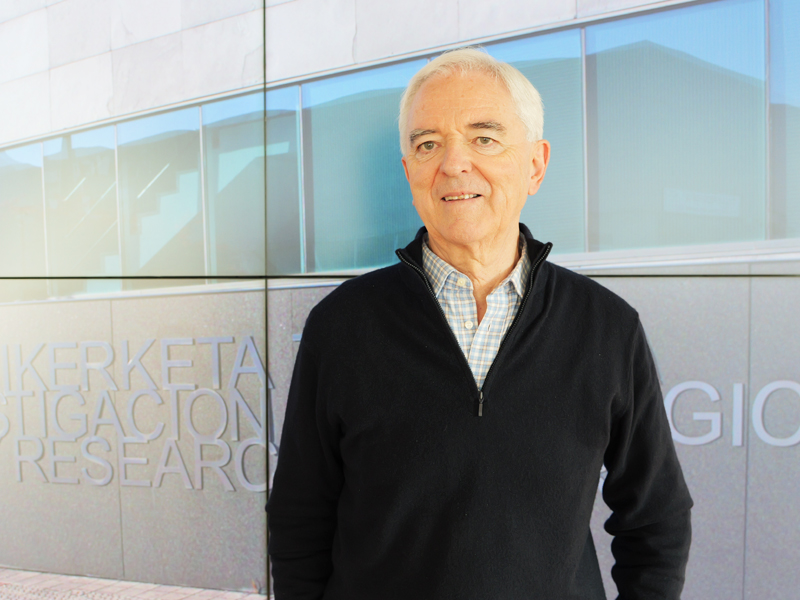
José Mª Murua
Director of Technological Services
With a clear customer orientation and an inherent commercial drive in his character, for José Mª the keys to AZTERLAN’s success have been “knowing how to listen to companies’ needs at each moment and knowing how to find the right keys to help them with their problems.” José Mª also emphasizes the support of the Marist Institution, “which trusted the AZTERLAN project when we saw opportunities to grow and make significant commitments.”.

Ramón Suárez
Director of R&D&I
Those who have worked with Ramón agree that his vision of innovation has always been oriented toward industrial application. For him, “(new) knowledge only makes sense when it translates into real improvements.” Remaining at the forefront of knowledge and technology and responding to companies’ real challenges are, in his opinion, the keys to continuing to provide value and are indeed the foundation upon which AZTERLAN has developed.
José Mª's story
José Mª Murua has been one of the main figures responsible for AZTERLAN’s commercial and customer development. After a career in private industry, specifically in the machining sector, he joined AZTERLAN in 1993. From his area of industrial specialization, he succeeded in introducing into AZTERLAN an element that would prove to be key for the Center’s commercial development: incorporating the machining of materials and test specimens into the service of the characterization and certification work offered by the Laboratory.
This new line of work, together with the capabilities AZTERLAN had at that time in the field of welding and, later on, the rise of the wind energy sector, were, in José Mª’s opinion, “the main spearhead that at that time marked AZTERLAN’s growth.”
The beginnings of this “turnkey package”, that is, analysis services that included testing specimen preparation, were not without hard work and willingness. The first projects were carried out using the School’s own equipment (shared lathes and milling machines) which were gradually reinforced with new in-house equipment. José Mª recalls that “on weekends I would go down to the workshop to move forward with sample preparation and leave processes running, so that during the week the final machining and analysis work could be carried out.” Like other aspects that motivated the creation and development of AZTERLAN, “the evolution arose in response to a customer’s need who guaranteed us a certain volume of work weekly, and we needed to gain agility in order to live up to it.” With this new working system, customers only had to bring their parts to AZTERLAN, which would took care of interpreting the reference standards, extracting the specimens, and testing those samples for subsequent evaluation of the results. This innovative approach offered agility, trust, and loyalty.
Obtaining ENAC accreditation in 1994 under the UNE-EN ISO 17025 standard (an international standard that defines the general requirements for technical and management competence in testing and calibration laboratories) further reinforced this commitment and strengthened the need to improve AZTERLAN’s capabilities and infrastructure. The first reflection of this expansion was, first, the enlargement of the facilities within the School premises (1995) and, soon after, the move to second facilities on the outskirts of Iurreta (1998), where it was possible to consolidate and expand the machining workshop infrastructure.
Throughout this process, José Mª’s role evolved into that of a technical-commercial director: presenting and developing capabilities, negotiating with clients and suppliers… always combining technical knowledge, leadership capacity, and, at that time, “a bit of intuition”; this was the process of consolidating a key role within the organization, that of Director of Technological Services, with a strong customer orientation and responsible for organizing internal processes.
As could not be otherwise, the expansion of capabilities and facilities was closely linked to the growth of AZTERLAN’s workforce, its technical and analytical capacities, and its expert knowledge. Mechanical, chemical, and metallographic testing services were soon accompanied by non-destructive testing services, “largely driven by the wind energy industry, which around the year 2000 had great importance in our market.” Later on, the corrosion and materials protection area would be created as a key analysis field for industries working with metallic materials and components in more aggressive environments.
When envisioning AZTERLAN’s trajectory toward the future, José Mª emphasizes the need to “keep the ability to listen to the customer’s needs active and to continue developing robust processes which, nevertheless, must be based on a shared vision of an AZTERLAN Project that people feel as their own.”
Ramón's story
Ramón Suárez was director of a French foundry company when Julián Izaga and Pedro Intxausti presented him the AZTERLAN project. With a notable background in the industrial world and a personal tendency toward opening new horizons, he saw in “the team of what was at that time (1994) a small laboratory” (with a staff of 8 people) contagious enthusiasm and energy, as well as an ambition he wanted to be part of: “to develop knowledge in metallurgy and foundry to serve and accompany the development of an industrial environment that wished to improve and grow.”
His incorporation into the team responded to a clear need: to shape a team with the capacity to advise companies in solving problems related to metallurgy and to improve their competitiveness through optimization projects, always from a metallurgical and practical approach. The team, led by Julián, Pedro, and Ramón, would lay the foundations of what in a few years would become AZTERLAN’s R&D team.
Like the previous steps in AZTERLAN’s evolution, Ramón recalls that the development of the innovation area (at that time named after “Engineering”) took place progressively and always with a very strong link to the reality of production plants. The team formed a tandem that allowed the scope of action to expand beyond Durango, initiating collaborations in other parts of the Basque Country and Spain, and later in France and other European countries. With that expansion also came a change in mindset: “even though internationalization was not our main objective, at that time we already had the conviction that it was possible to compete confidently at the international level.” Thus, around the year 2000, Europe also opened up as a horizon.
For Ramón, in AZTERLAN’s growth (which had its reflection in knowledge, team, and infrastructure) two key aspects played an important role: surrounding themselves with a support team made up of international experts, leading figures in different fields of materials science and technology, and, above all, the continuous development of internal projects. “From the beginning, our efforts were focused on developing knowledge that would be embodied in methodologies and tools, including software and control systems, directly applicable to metal transformation companies.”
In addition to the milestones of AZTERLAN’s growth reflected in figures in terms of personnel, revenue, and infrastructure, Ramón also recalls a point of inflection the participation in the year 2000 in an international congress in Paris, which, although was not the team’s first participation of this kind, provided a boost to scientific activity. Little by little, scientific dissemination was strengthened as a means of developing and sharing expert metallurgical knowledge with the academic, scientific, and industrial world. Increasing participation in international networks led to joining the WFO in 2004 (an environment that to this day has been of great importance for AZTERLAN) and, subsequently, in 2011, certification as a multisectoral technology center.
Always opening new fields of knowledge, “having maintained our area of specialization in metallurgy and metal transformation processes has been one of the main factors in our consolidation and success as a Technology Center.” Within this field, first from iron casting and forging, and gradually extending to new materials and manufacturing processes, the activity of the R&D team has continued to adapt to the evolution and needs of the metal-mechanical industry.
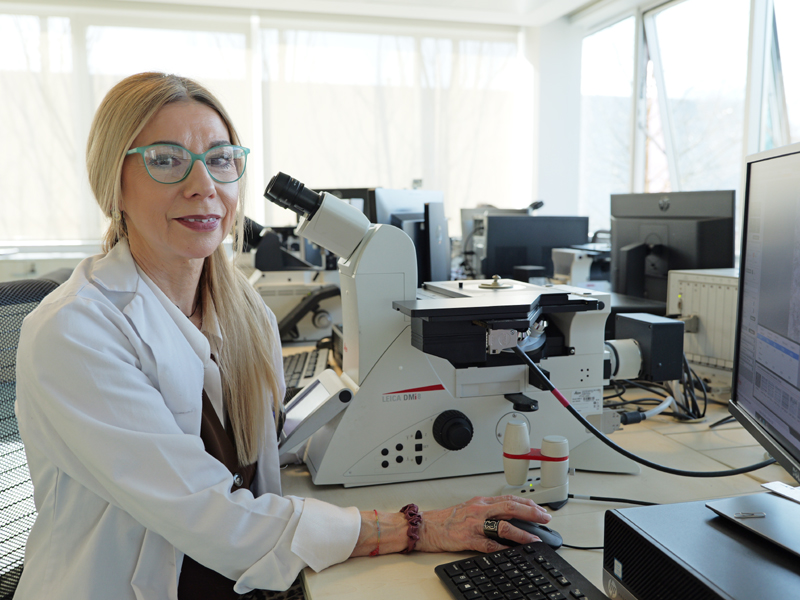
Marta González
Metallographic analist and expert in Failure Analysis and Diagnosis
Learning, evolving and growing at the pace of industry
Since joining AZTERLAN in 1990, Marta’s professional career has been marked by continuous learning, technological adaptation and direct contact with industry. Holding a degree in Chemical Sciences, she found at AZTERLAN the balance between scientific rigor and the practical application of knowledge.
More than three decades later, her path also reflects the evolution of a sector that has changed both technologically and socially, and she is one of those “role models” who make visible the important space women occupy in the scientific and technical fields.
Marta's journey
After completing her degree in Chemical Sciences, specializing in Physical Chemistry, Marta imagined her near future linked to the university. She completed doctoral courses and obtained grants that guaranteed continuity in the academic field. However, in 1990 the opportunity arose to join AZTERLAN. “The job offer came to me through the INEM and, although I had not been actively looking for it, I decided to commit to an environment that seemed to offer me something different and more aligned with my personal concerns: applying scientific knowledge to reality, in this case, in an activity closely linked to the metal industry.”
At that time, her incorporation into AZTERLAN responded to the need to strengthen the mechanical characterization area, commissioning a new tensile testing machine with extensometry. From there, an intense learning process began in different aspects related to metallurgy. “Progressively, I began to support the metallography area, which allowed me to develop new knowledge.” In line with the growth in capabilities and people experienced by the Centre itself, Marta gradually focused on this latter area, which “at AZTERLAN has the characteristic of integrating the entire analytical process carried out by the different areas; that is, it is where we perform the joint interpretation of the various characterization works carried out on a sample, material or component.” Likewise, her field of specialization was defined in the area of steels. In addition, “new layers are added to this same analytical task,” such as service failure cause analysis or advanced defect characterization, and even R&D. “I have been fortunate to participate in all of them at certain times, and that is very enriching and provides a very broad perspective.”
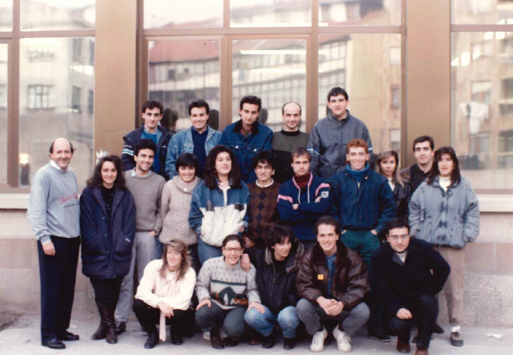
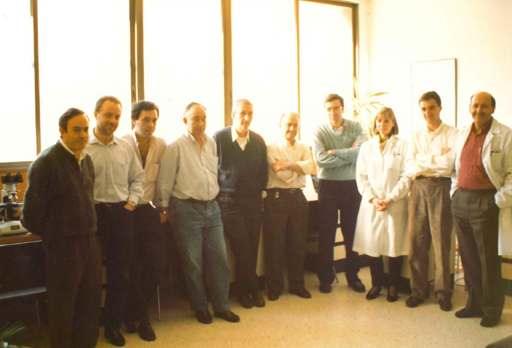
Marta recalls that from the very beginning she saw the potential that AZTERLAN had for her. “I felt that they believed in me, that they were committed to me and that I was given opportunities to grow.” However, she remembers that this was not the general reality for women in the industrial environment, especially in the context of the economic crisis at that time. Although there were women training in technical fields, the presence of women in production companies was low (as it is shown in the group photographs that accompany this text).
Throughout these years of close relationship with industry, Marta is aware of the transformation that has taken place in the market in this respect and recalls that 30 years ago technical and managerial positions were almost exclusively occupied by men. “Today, the presence of women is much more common, especially in quality and technical office roles. Naturally, it has not been a sudden transformation, but rather a gradual process that reflects the importance of education and access to opportunities.”
As a counterpoint, she points out that the AZTERLAN team has always had a significant female presence. When she joined, four of the eight members of staff were women and, from her experience, she never felt that her professional development was conditioned by her gender. “Both at AZTERLAN and, previously, at university, I felt that my knowledge and my ability to respond to technical challenges were valued.”
Likewise, she does not recall that her gender was ever an obstacle in directly interacting with industrial professionals. “Companies came to AZTERLAN for help with their problems and respected us insofar as we were able to solve them or, at least, guide them toward a solution.” She also remembers visits to industrial plants with more experienced colleagues as an important part of her learning process, as they were highly valuable both for directly understanding the reality of production companies and for building relationships with clients and being recognized as a technical interlocutor.
Faced with the current social reality in which the presence of women in technical degrees and professions remains low, Marta believes that education is the foundation for continuing to transform society. “At home, the message I always received from my parents and grandparents was that studying is an investment in oneself, something no one can take away from you and that opens doors; and they encouraged me to train in whatever I wanted. In my specific case, I always had a natural inclination toward more technical subjects and that was the path I chose, with the full support of my family.”
Although she is aware that today — in our environment — no one questions that there is no field of knowledge biased by gender, she believes that in order to continue transforming society it is important to present young women with the full range of possibilities available to them. “For example, I think visits by young students to AZTERLAN (and other centres and workplaces) contribute to this mission and help make visible possible professions that may be of interest to them.”
Nevertheless, Marta stresses that the true foundation lies in family education and in transforming gender roles and expectations that, “many times and without realizing it, we transmit to our daughters and sons from a very early age.”
4.
Our Capabilities
AZTERLAN’s activity is structured around two complementary pillars: the development and transfer of innovative solutions with direct application for industry, and the provision of advanced technological services for testing, analysis, and characterization of metallic materials and components.
From this dual perspective, AZTERLAN maintains a close relationship with the industrial ecosystem, with the aim of addressing the knowledge and technical reliability needs that companies require in increasingly complex and demanding industrial environments.
In recent decades, the metal industry has undergone a significant transformation. The incorporation of new materials and manufacturing processes, increasing demands in terms of efficiency, sustainability, and quality, as well as digitalization and advanced control of production processes, have significantly raised the technological level of the sector. In a competitive and globalized environment, where knowledge and technical capabilities evolve rapidly, staying at the technological forefront and anticipating future challenges is one of the main challenges for the AZTERLAN team.
Cutting-edge technological capabilities, the technical expertise of its team, and a firm commitment to its mission of becoming a leading technological partner for metal industry companies are the foundations of our activity. Beyond responding to specific needs, our mission is to help prepare industry for upcoming technological challenges and support it throughout this process.
Objective:
To be the best technological partner for companies
Within their respective areas of responsibility, Susana Méndez, Garikoitz Artola, and Josean Goñi lead the development and technical activities of AZTERLAN’s teams.
The main cross-cutting challenge across AZTERLAN’s different teams is to advance capabilities and prepare to support companies in addressing both their current and future needs.
Integrating advanced knowledge of increasingly complex materials and processes, while meeting sustainability, efficiency, performance, and quality criteria, defines the development vectors of the Center’s different activity areas.
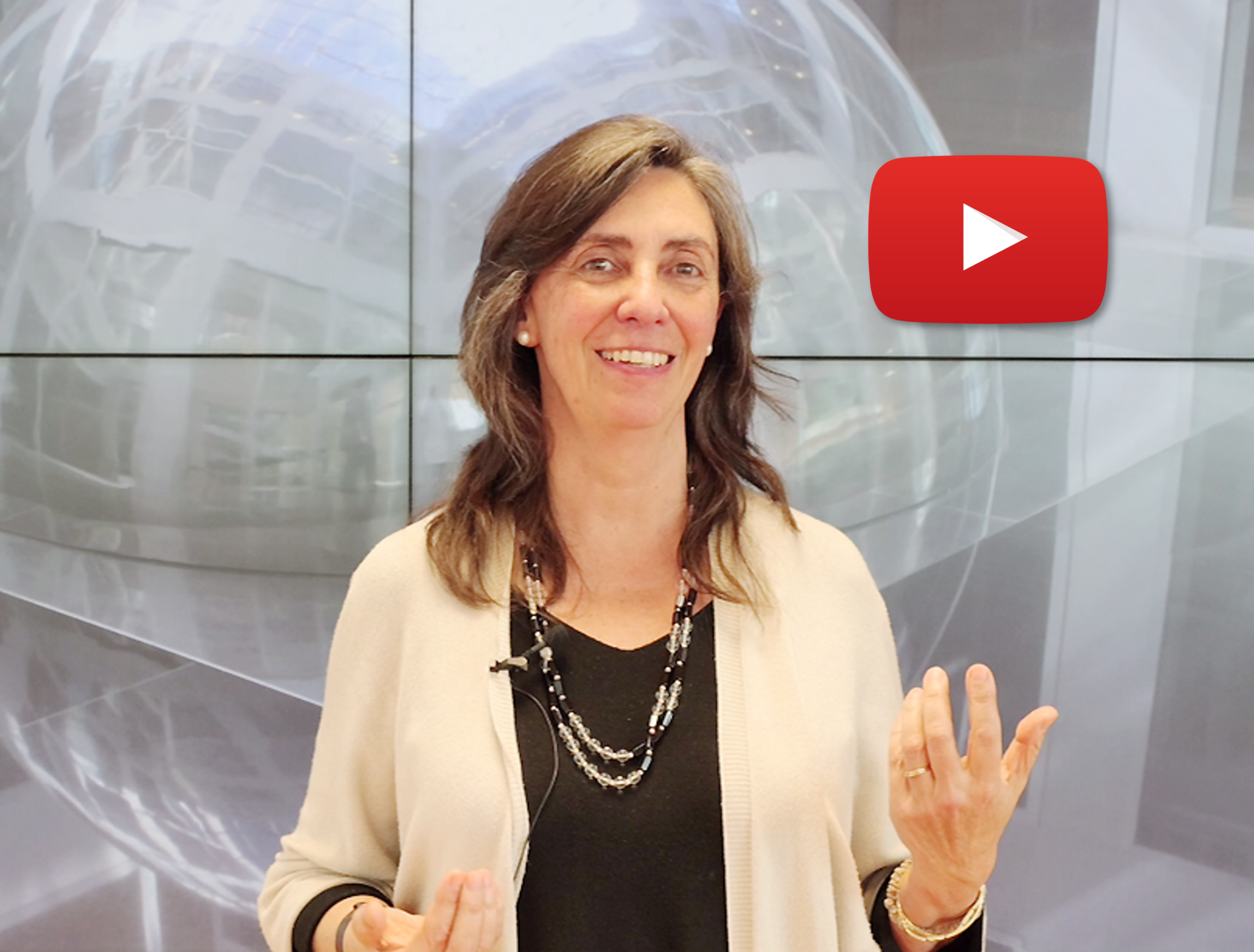
Dr. Susana Méndez
Director of Foundry Technologies
“Challenging traditional paradigms allows us to imagine new ways of doing things”.
“We must intelligently leverage the complementarity between technological centers, universities, and companies, combining different types of knowledge to go further”.
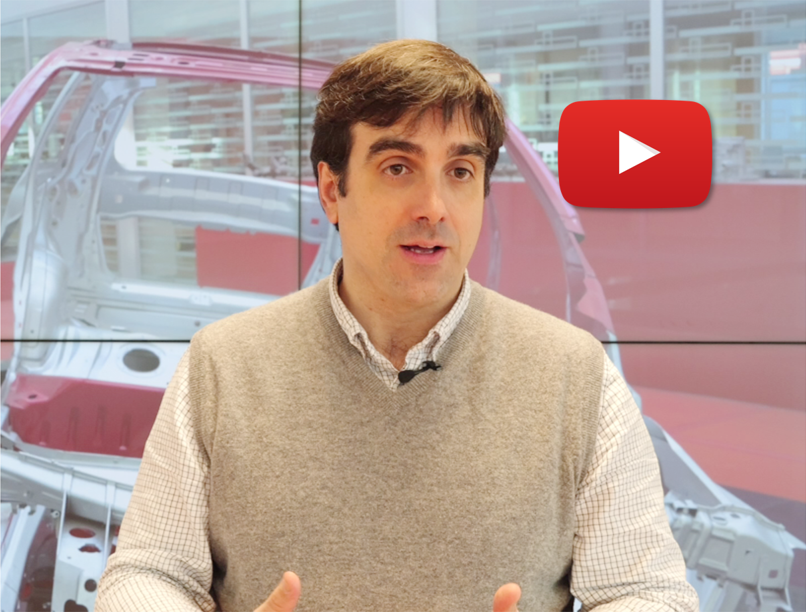
Dr. Garikoitz Artola
Director of Forming Technologies
“In a changing environment, we aim to foster R&D&I based on stability and support, in order to develop a long-term vision”.
“We need to translate global trends into tangible needs for our industrial ecosystem to define how to act in alignment within our sphere of influence”.
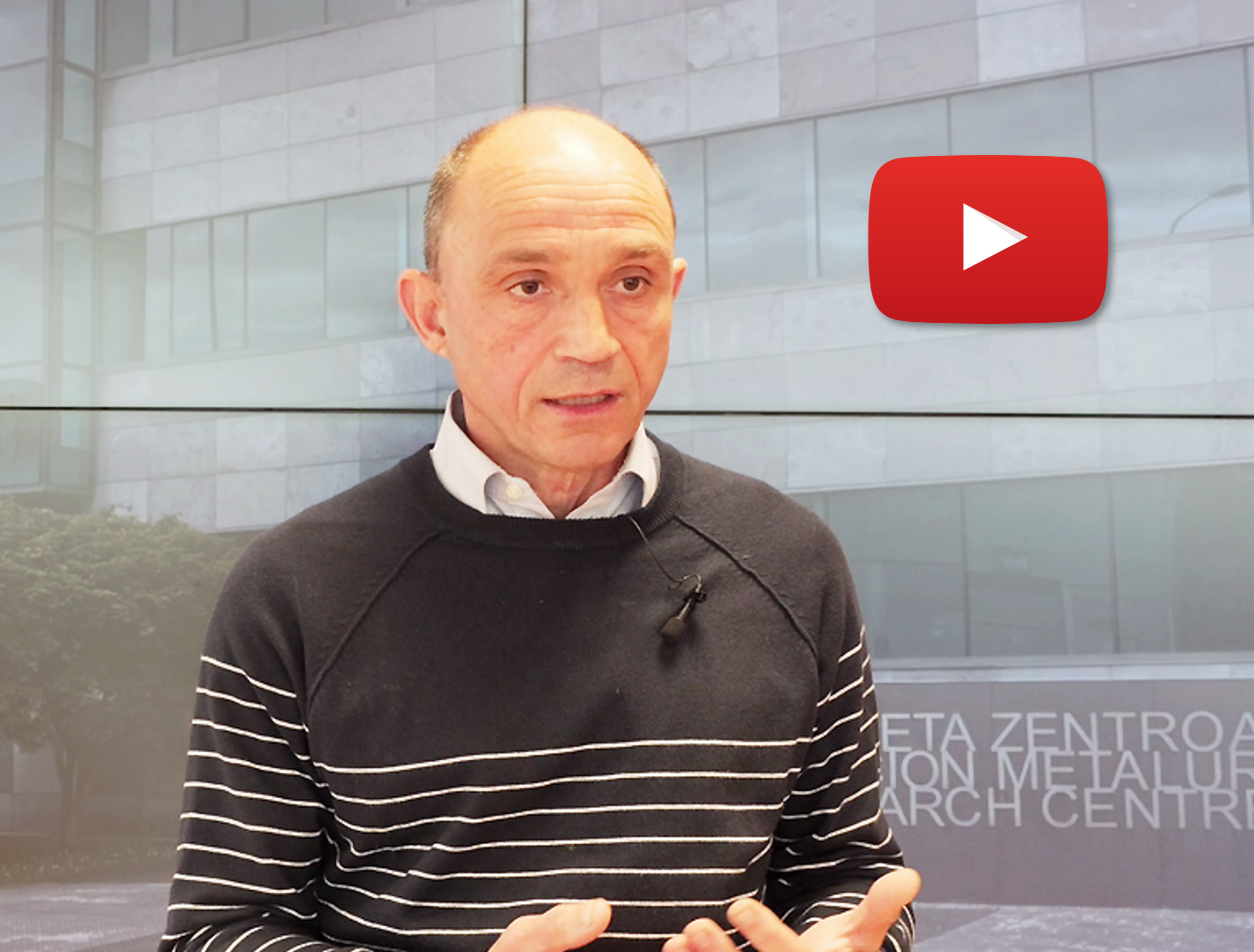
Josean Goñi
Director of Materials
“We have known how to stand alongside companies and understand their challenges. That is part of our identity, and we have developed our own style of collaboration, which is part of our success. What we are today is the result of collective effort and work”.
“We must be able to detect future industry needs and rapidly develop capabilities to continue delivering value”.
5.
OUR TEAM: the backbone of the “AZTERLAN Project”
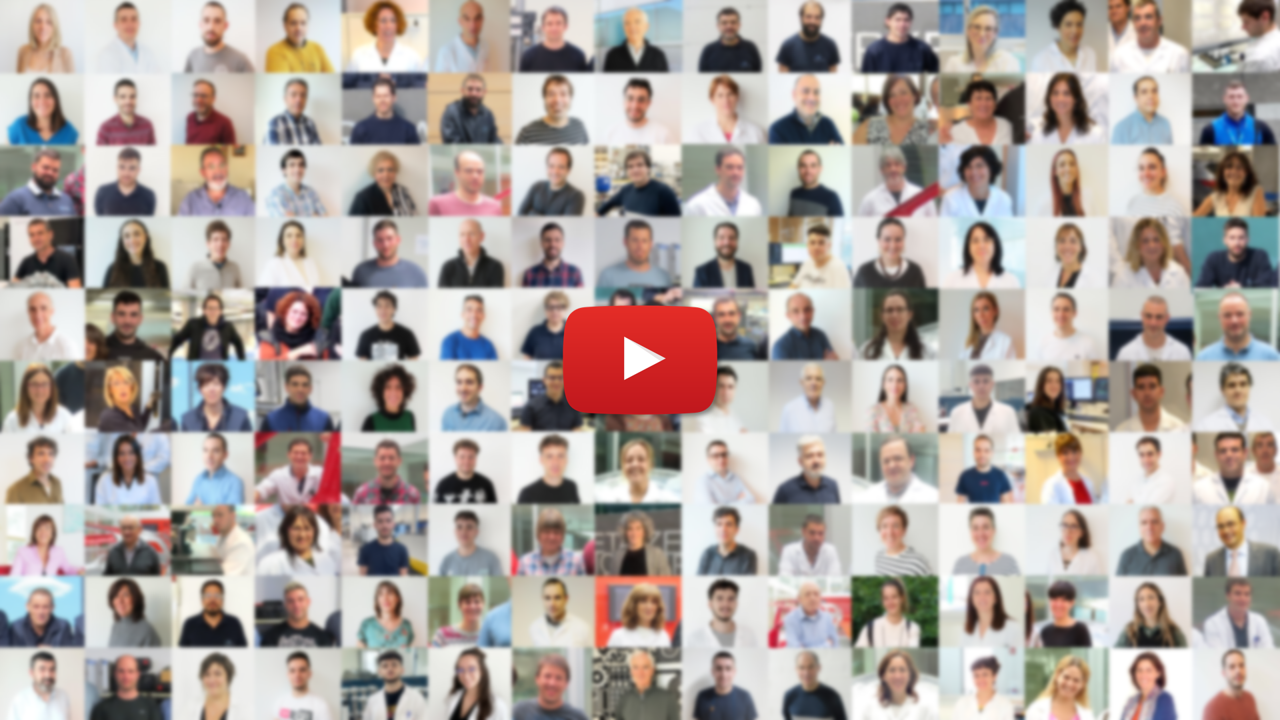
The celebration of our 40th anniversary is a great opportunity to highlight and express our gratitude for the commitment and effort of all those who have made this important journey possible as a Technological Centre: people who, over these 40 years, have been a fundamental part of AZTERLAN. A professional, committed team with the ability to build a shared project day by day.
Beyond looking back, this important milestone is a reminder of who we are, where we come from, and the reason for our mission. As such, it is a reference point that allows us to continue moving forward and looking to the future together.
Everything we have learned and experienced over these years prepares us to confidently face the important challenges that are still to come.
“AZTERLAN’s future is being written today.”
Thank you!
Over these four decades, we have faced demanding challenges, undergone profound changes, and experienced decisive moments, with a firm commitment to supporting and adding value to the metal-mechanical transformation industry. None of this would have been possible without each and every person who has been part of the organization.
To those who were there at the beginning, to those who joined along the way, and to those of us who continue to drive the “AZTERLAN Project” today: THANK YOU!
6.
Our Activity
Since its beginnings, AZTERLAN has pursued a constant purpose: to deepen metallurgical knowledge and place it at the service of industry and society. This commitment has guided an evolution grounded in scientific rigor, professionalism, and the technological capabilities of its team, enabling steady growth built step by step on experience and continuous learning.
Throughout its trajectory, AZTERLAN’s development has been supported by a solid foundation: the progressive incorporation of new capabilities within its field of specialization, the deployment of new infrastructures, compliance with the requirements of sectors with high reliability demands, and active participation in international networks understood as spaces for sharing knowledge, developing leading collaborations, and driving the evolution of metallurgy and its fields of application. Each new capability acquired has strengthened the whole and opened the door to new challenges and opportunities.
“Each milestone achieved has strengthened the whole organization and has opened the door to new challenges and opportunities”
Steady growth built on a firm purpose
AZTERLAN’s trajectory has been defined by specialization and by sustained evolution aimed at increasing the value we bring to industry.
The effort made throughout these 40 years has borne fruit, which, in turn, is recognized both nationally and internationally and constitutes a solid foundation for continuing to build the future.
7.
Our specialization
From the outset, AZTERLAN’s activity has been positioned at the intersection between material and process. Our work consists of understanding how the physical and chemical phenomena occurring during metal transformation influence the evolution of microstructure and, consequently, the properties and final performance of components in service. This space where material, process, and performance converge is metallurgy.
Over the past forty years, metallurgy has been much more than a scientific discipline; it has become the tool that allows us to interpret, design, and optimize industrial processes. Alongside classical characterization and analysis techniques, numerical simulation, digitalization, and more recently artificial intelligence have been progressively incorporated, expanding our ability to model material behavior and predict manufacturing outcomes.
Today, metallurgical knowledge, combined with advanced predictive tools, enables us to anticipate defects, optimize process parameters, and develop solutions tailored to the specific challenges of each industry, reducing development times, improving efficiency, and increasing product reliability.
Under new perspectives and with increasingly advanced technologies, metallurgy remains the DNA of AZTERLAN: transforming scientific knowledge into tools that enable industry to access better materials, develop more robust processes, and manufacture components that are increasingly competitive, sustainable, and ready for the future.
“Materials, processes, and the tools to study them have evolved, yet metallurgy remains the language that connects them all”
“Beauty, metallurgy”
Our daily work also offers a different perspective on metallurgy: its aesthetic dimension. Beyond its technical complexity, materials, structures, and processes reveal patterns, textures, and geometries that, when carefully observed, highlight the inherent beauty of materials engineering.
Throughout our activity, the technical team regularly captures images that reflect this more visual and less conventional perspective of our working environment. In this section, we share a selection of these images, where metallurgy is also expressed through form, detail, and expression.
8.
Our symbols
AZTERLAN’s history and journey can also be read through its symbols. Located throughout our facilities, these elements tell a story linked to our mission, our values and our activity; a story built on knowledge, collaboration, and the constant drive to create value.
Each piece carries a meaning that goes beyond its physical form. Every piece reflects a milestone, a partnership, an achievement or a conviction that has shaped AZTERLAN over the years. Some recall the origins of the Technology Center; others represent research, technology transfer, international collaboration, or our commitment to society. They are part of an identity built over more than four decades of effort, commitment, and shared work.
“A reflection of our milestones, achievements, and values”
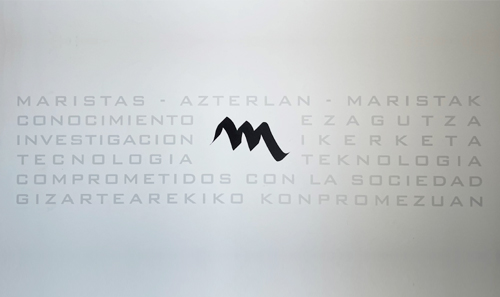
“KNOWLEDGE. RESEARCH. TECHNOLOGY. OUR COMMITMENT TO SOCIETY”
Located in the lobby of AZTERLAN’s main building, this mural was created in 2006 by artists Xabier Laka and Javier Elorriaga. It reminds everyone who visits our facilities of AZTERLAN’s origins and its fundamental purpose.
Our commitment to generating knowledge, transforming it into technologies that benefit industry, and placing it at the service of society through research, innovation, and advanced technology services has always been at the heart of our mission as a Technology Center.
This artwork represents our true purpose. It reflects the effort invested over the past 40 years—a journey widely recognized by our partners and stakeholders, and one that provides a strong foundation for continuing to build the future.
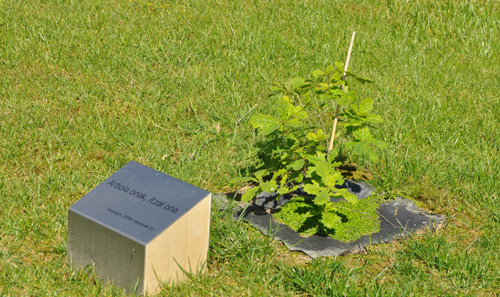
“ARBOLA ONAK ITZAL ONA”
“Good Tree, Good Shade”
A sapling from the Tree of Gernika, accompanied by the proverb “Arbola onak, itzal ona” (“Good Tree, Good Shade”), grows in the gardens of AZTERLAN as a symbol of strong roots, legacy, and integrity.
Planted in 2008, when it stood little more than one foot tall, this oak has grown alongside AZTERLAN’s main building into a tree more than 20 feet high. Its growth reflects the evolution of a project built on solid foundations, always looking ahead without losing sight of its roots.
The tree also serves as a tribute to Juan José Ziarrusta, a key figure in the history of both AZTERLAN and the town of Durango. The inscription reminds us that actions driven by responsibility, knowledge, dedication, and commitment leave a lasting legacy. It is a principle that continues to inspire AZTERLAN’s daily work.
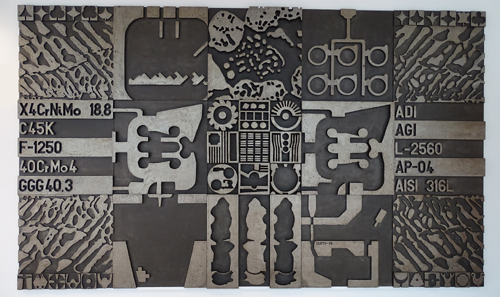
“THE SOUL OF IRON”
This sculptural relief pays tribute to cast iron, a material that has played a defining role in the industrial development of our region and occupies a central place in AZTERLAN’s technological journey. The artwork symbolizes the connection between the metallurgical tradition that gave rise to the Technology Center and the research that continues to drive innovation across the foundry industry.
Its composition creates an interplay of forms and textures inspired by the world of iron metallurgy: metallographic structures, the transformations that occur during solidification, chemical compositions, and other phenomena that lie at the heart of materials science. In doing so, it reveals the beauty of knowledge that normally remains hidden from the human eye.
Created by multidisciplinary artist María Jesús Cueto and cast in 1995 by Fundiciones San Antonio de Urkiola S.L. using the lost foam casting process, the sculpture has accompanied AZTERLAN from its original facilities at Maristak Durango to its current headquarters, becoming one of the most iconic symbols of the organization.
Because of its size and weight, the sculpture was produced in fifteen modules of varying thicknesses, each weighing between 550 and 880 pounds (250-400 kilograms).
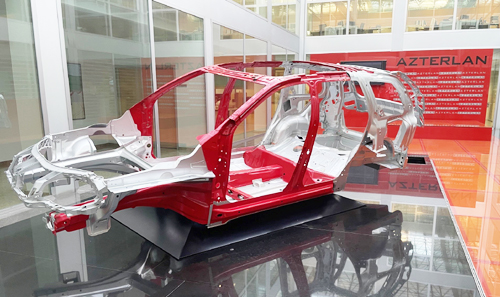
“VOLVO XC90 BODY-IN-WHITE”
This vehicle body structure, provided by Batz, is closely linked to the development of hot stamping technology and its adoption by the automotive industry. For AZTERLAN, it offers a powerful visual representation of the essence of our work: transforming knowledge into technological solutions that address real industrial challenges while creating tangible benefits for people and society.
It also illustrates the value of collaboration between companies and technology centers as a driving force for innovation. The structural components highlighted in red were manufactured using an advanced hot stamping process that produces ultra-high-strength steel parts, significantly improving the protection of the passenger compartment. These properties play a decisive role in enhancing vehicle safety and protecting occupants.
Beyond its technical significance, this exhibit symbolizes the path that research follows at AZTERLAN, from understanding the fundamental metallurgical transformations of materials to applying that knowledge in industrial manufacturing processes. It demonstrates how collaborative innovation can be transformed into practical, measurable benefits for society.
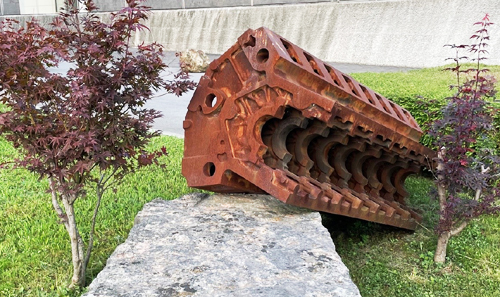
“MARINE ENGINE BLOCK”
Located in the gardens surrounding AZTERLAN, this marine engine block, manufactured by the Kimura Group in Japan, was the subject of several research and analysis projects carried out at the Technology Center. Today, it stands as a symbol of AZTERLAN’s international reach.
For AZTERLAN, it represents the trust that customers and partners around the world place in our knowledge, expertise, and technical capabilities through the many projects and services we carry out together.
It also reflects the relationships of collaboration, mutual trust, and respect that AZTERLAN has built throughout its history. These connections have made research and technology transfer a common language that transcends borders, fostering both outstanding professional partnerships and lasting personal relationships.
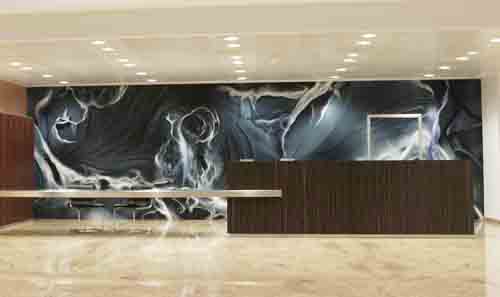
“THREE VIOLETS MURAL”
Located in the reception area of AZTERLAN’s main building, this mural was created in 2005 by artist Ignacio Sáez, inspired by an SEM image of the fracture surface of spheroidal graphite cast iron, revealing its distinctive graphite nodules.
The artwork also incorporates an allegory to the Marist Institution, which played a fundamental role in the origins and development of AZTERLAN.
The mural expresses gratitude for this historical connection and for the shared values that have accompanied AZTERLAN since its beginnings.
It features three violet brushstrokes, representing the three violets, a symbol of Marist spirituality that stands for humility, simplicity, and modesty. Their presence reminds us that knowledge and technological progress achieve their greatest value when they are grounded in strong human values.
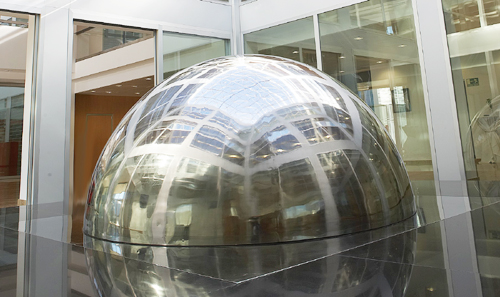
“PANOPTIC: SCIENCE AS A TOOL FOR OBSERVATION AND UNDERSTANDING”
Located in the lobby of AZTERLAN’s main building, this artwork by Xabier Laka and Jabier Elorriaga transforms a simple geometric object (a hemisphere) into a space for observation and reflection. Its convex, polished stainless steel surface reflects the surrounding environment as a constantly changing panoramic image, bringing multiple perspectives together into a single view.
The piece serves as a metaphor for scientific research. Just as the mirror offers a broader view of reality, science enables us to see beyond the obvious, interpret complex phenomena, and uncover relationships that remain hidden from a partial perspective. At AZTERLAN, this ability to observe, analyze, and understand is the starting point for generating knowledge, developing technology, and delivering innovative solutions to industry.
Science changes the way we see reality; and, by doing so, transforms our ability to shape it.
9.
Advanced knowledge
creating value for industry and society
Building on its high level of specialization in metallurgy, every project and every effort undertaken at AZTERLAN represents an opportunity to generate new ideas, drive innovation and actively contribute to the progress of industry and society. Likewise, shared work-dynamics inspire new developments and lay the foundations for future advances. Knowledge reaches its true purpose when it creates value and becomes a useful resource for both industry and society.
With this conviction, over more than four decades AZTERLAN has built an extensive network of collaborations with companies, universities, technology centres and organizations around the world. Participation in international projects, conferences, trade fairs, workshops and other technical forums enables the Centre to share new developments, exchange experiences and actively contribute to the advancement of metallurgy and materials science.
This commitment to sharing knowledge is reflected every year in numerous technical papers, scientific publications, specialized articles, patents, and participation in leading international events, where AZTERLAN specialists present the results of their work, contributing to scientific debate and to the development of the metalworking industry.
“To generate knowledge and actively contribute to its dissemination is a part of our mission as a Technology Centre. Shared knowledge is both the journey and the destination”

Open Dissemination
AZTERLAN KNOWLEDGE HUB
The knowledge generated by the AZTERLAN team translates into research projects, scientific publications, conference presentations, technical articles, educational content, and technological developments that contribute to the advancement of the sector.
A significant portion of these results is available through the AZTERLAN Knowledge Hub, a space that brings together publications, technical resources, success stories, and specialized content developed by the AZTERLAN team. It serves as a living repository that provides access to up-to-date information on materials, processes, and technologies for professionals seeking deeper insight into these fields.
10.
New developments and horizons
Forty years of experience have taught us that development and evolution never stop. They are essential for adapting to an industry and a society in constant transformation, as well as for anticipating the challenges that still lie ahead. Every milestone achieved opens new questions and opportunities; every technology developed creates new avenues for action. The commitment to generate knowledge and turn it into useful solutions for industry has been part of AZTERLAN’s identity since its origins.
Today, we continue to look ahead. Our teams are building the AZTERLAN of tomorrow by expanding capabilities, developing new technologies and services, and exploring new ways of creating value, always through close collaboration with companies and in connection with real industrial needs.
What are we working on today?
Our area managers share some of the key aspects of our current work, which will in turn help define the strategy and knowledge domains of the future.
“Expanding our capabilities and developing new technologies and services.”
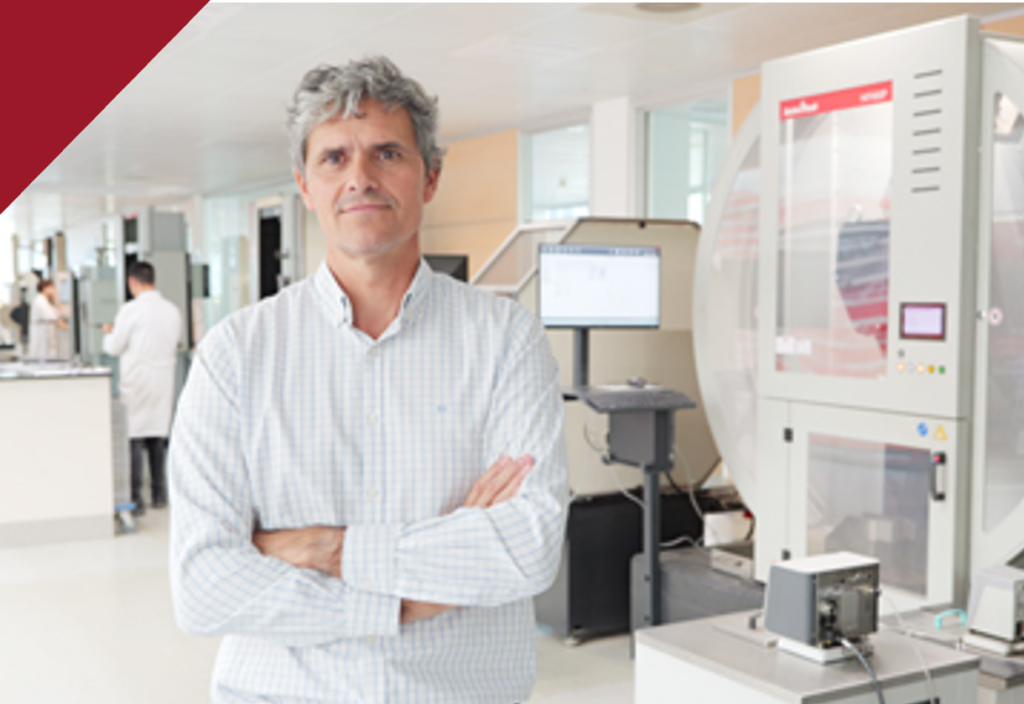
Urko Uribe
Mechanical Testing
We are focused on introducing more technically complex testing capabilities and obtaining high-value accreditations to strengthen our services and increase the value we provide to clients in sectors such as aerospace or nuclear energy. To achieve this, we are expanding the scope of our ENAC accreditation in areas related to fatigue testing, crack growth testing, and very high-temperature testing (+950°C), among others. Our goal is to establish ourselves as a benchmark laboratory in these fields. We believe this specialization is essential for meeting the needs of increasingly demanding industries and maintaining a competitive position based on expertise, reliability, and technical capability.
Our main challenge is to anticipate a changing industrial landscape in which some sectors that have traditionally supported our activity are experiencing uncertainty, while others are increasing their demand for more advanced analytical solutions. This evolution of our service portfolio allows us to continue supporting our longstanding customers while strengthening our presence in growing sectors such as aerospace, space, defense, and energy.
Along this path, there are other key factors that require particular attention. These include the generational renewal of our team, ensuring the transfer and preservation of the knowledge accumulated throughout our history, and continued progress in the digitalization and automation of internal processes to further improve efficiency and responsiveness.
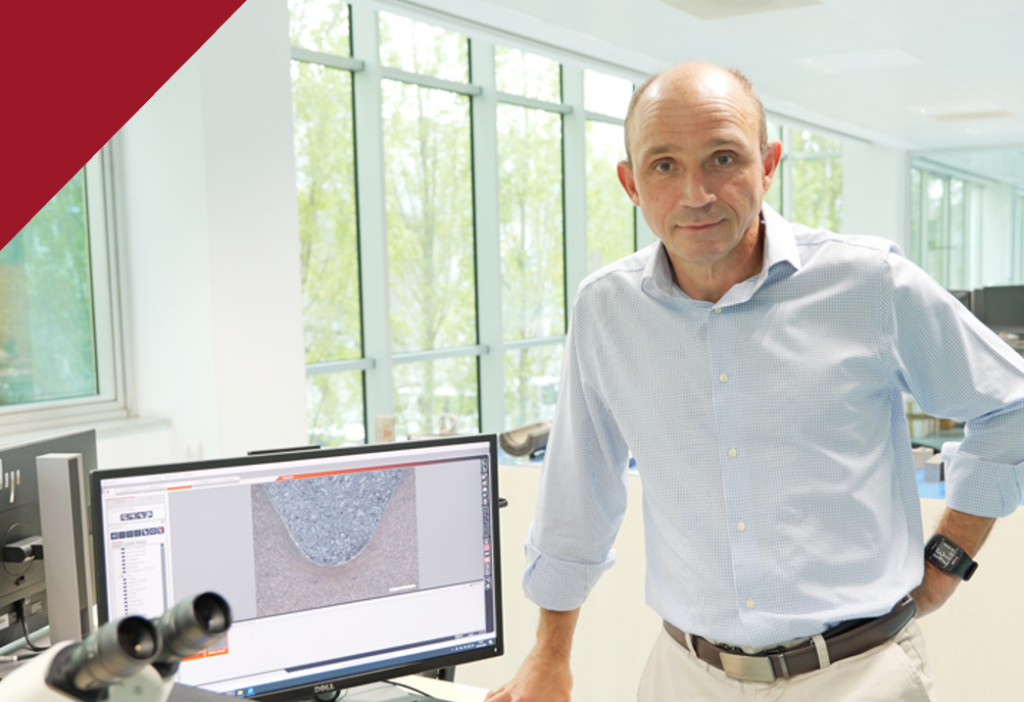
Josean Goñi
Metallography
For decades, we have built a strong knowledge base in traditional materials and metallurgical processes, particularly in foundry applications and conventional steels, becoming a recognized reference in these fields. However, our customers’ evolution toward increasingly demanding industries, such as aerospace, petrochemicals, and energy, is leading us to work increasingly with highly alloyed materials and more complex metallurgical systems. The analysis of these materials is already part of our day-to-day activities and is driving the continuous development of both our knowledge and our working methodologies.
Our priority is to continue developing the capabilities needed to respond effectively to these new challenges. Beyond incorporating new preparation and analysis techniques, we are adapting to increasingly demanding requirements for procedures, traceability, and qualification, aligning ourselves with the needs of industries where reliability and reproducibility are critical. This is a natural evolution that will allow us to transfer our metallographic expertise to increasingly complex technological environments without compromising the rigor and interpretive capabilities that have always characterized our work.
As we have historically done, our development will continue to be closely linked to our customers’ needs and the challenges they bring to us. At the same time, one of the key challenges for the coming years will be to ensure the transfer of the knowledge accumulated over decades and consolidate our expertise in these new materials and applications. Alongside this, we need to continue developing a strong and well-balanced team, bringing together the experience of our more seasoned professionals with that of newer analysts, ensuring the continuity, specialization, and ongoing development of the area’s capabilities.
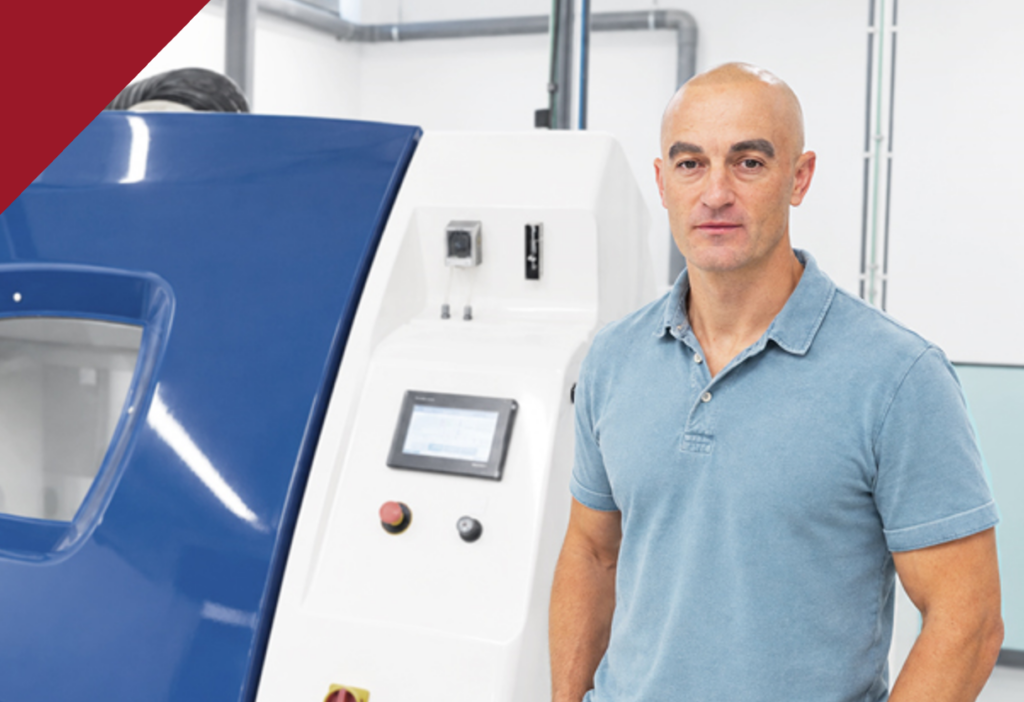
Ibai Gallastegi
Corrosion and Materials Protection
The increasing demands of industries such as Oil & Gas, energy, and aerospace are raising the bar for requirements related to corrosion resistance and material quality assurance. Our priority is to continue evolving to meet this demand through increasingly advanced testing capabilities and to support our clients in validating and optimizing materials for ever more demanding service environments.
We have a broad ISO/ILAC-accredited scope for the certification of corrosion-resistant alloys and stainless steels, providing a solid foundation on which we intend to continue building. Our objective is to further expand our technical capabilities and strengthen a differentiated value proposition based on the combination of metallurgical expertise, service performance knowledge, and advanced experimental capabilities. A clear example is the recent addition of a new cyclic corrosion chamber, which complements our capabilities, enables us to address the most demanding specifications of automotive manufacturers, and enhances our ability to reproduce increasingly representative service conditions.
In the coming years, we will continue strengthening our capabilities to tackle increasingly complex testing requirements, particularly in areas related to hydrogen embrittlement and advanced Oil & Gas industry specifications. This effort will go hand in hand with the consolidation of a multidisciplinary team capable of combining decades of accumulated experience with new knowledge and perspectives, ensuring continuity of our capabilities, effective knowledge transfer, and an increasingly comprehensive response to our clients’ needs.
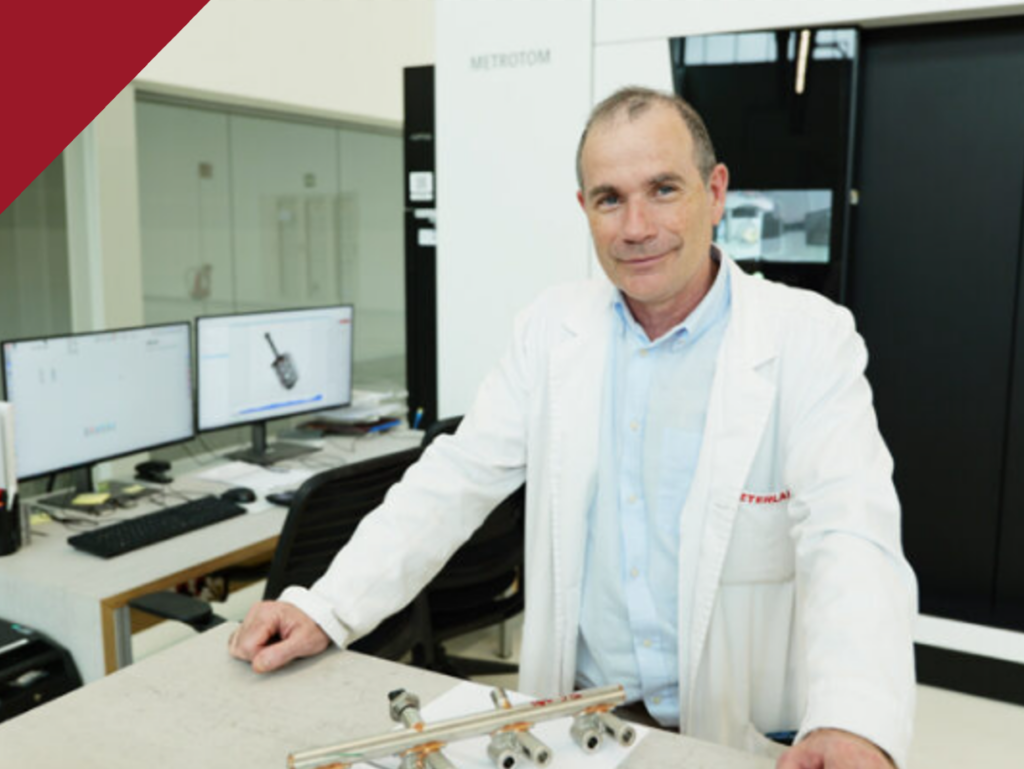
Carmelo Santamarina
Non-Destructive Testing
We continue to strengthen specialized and accredited capabilities that enable us to deliver added value and differentiation. Our objective is to consolidate a service portfolio built on technical expertise and the reliability of results, progressively expanding our accreditations to reinforce our position in fields that require specialized knowledge.
Within the industries we serve, where some traditional sectors and processes are experiencing declining activity, welding represents an opportunity to consolidate and expand our NDT activities. Over time, we have developed an accredited service portfolio that includes visual inspection, magnetic particle testing, and ultrasonic testing (currently undergoing accreditation). Our goal is to continue expanding this portfolio towards a comprehensive and specialized offering for welded joints, leveraging AZTERLAN’s complementary capabilities in procedure and welder qualification, inspection, testing, characterization, and defect analysis.
One of our main assets is our team of professionals, whose extensive experience across different testing techniques provides a solid foundation for further capability development. This is complemented by our participation in external forums such as the Spanish Association for Non-Destructive Testing (AEND), which allows us to stay connected with technological developments in NDT, share knowledge, and gain first-hand insight into emerging techniques and market needs, enabling us to anticipate the evolution of the discipline.
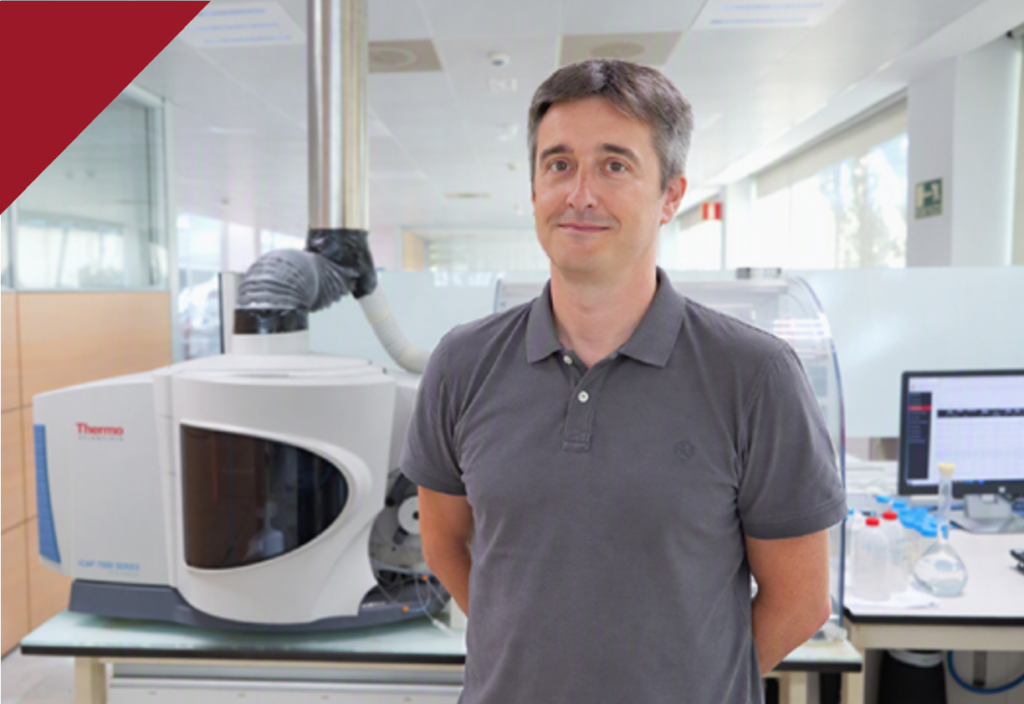
David López
Chemical Testing
The evolution of technologically demanding industries, such as aerospace, is driving new requirements in the field of chemical testing. In applications where reliability, safety, and quality are critical factors, material characterization is becoming increasingly important and requires ever-higher levels of analytical precision, sensitivity, and traceability. In this context, accreditations and external recognition of laboratory capabilities have become strategically important.
We continue to strengthen our analytical capabilities through the incorporation of new techniques and equipment, as well as the development of methodologies and procedures adapted to increasingly demanding requirements. The objective is to address tests and specifications that, until only a few years ago, were outside our traditional field of activity.
This evolution is supported by an accreditation strategy aimed at strengthening and expanding our ENAC-accredited scope and progressing toward internationally recognized accreditations such as NADCAP for specific analyses. In addition, a key aspect of our development over the coming years will be the consolidation of knowledge within the technical team in a context of generational transition, a critical factor in successfully addressing the challenges that industry will face in the years ahead.
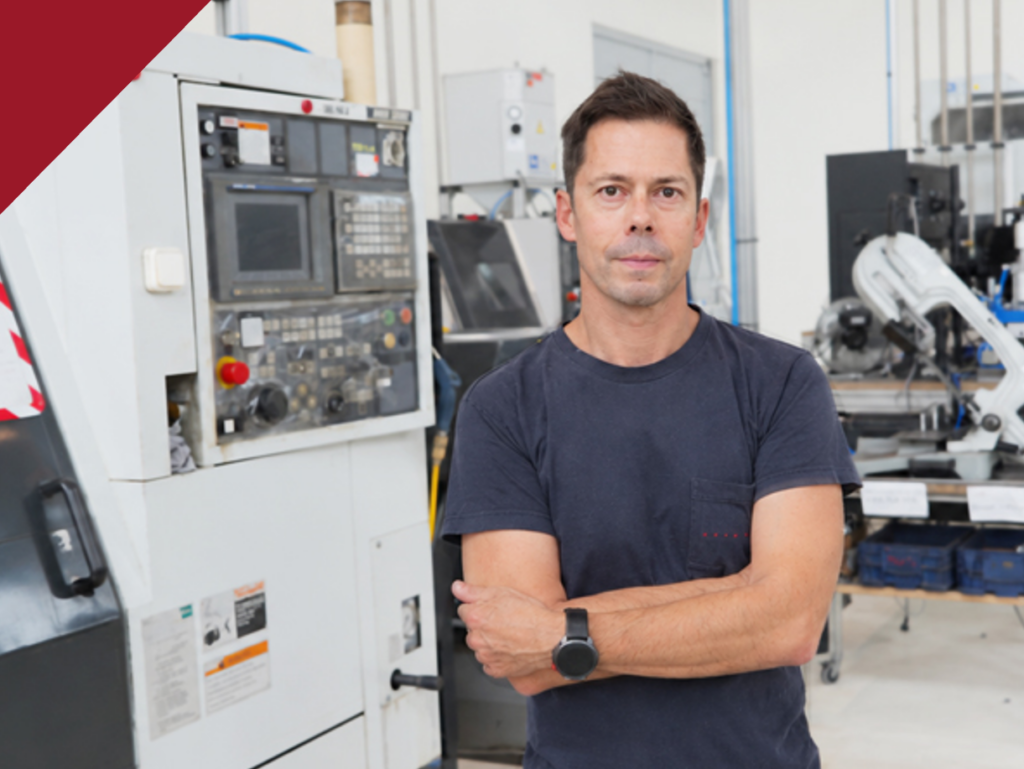
Fran García
Test Sample Preparation Workshop
We continue to strengthen the workshop’s capabilities through the incorporation of new equipment, tooling, and digital tools that enable us to respond more efficiently to the needs of AZTERLAN’s laboratories and technological areas. Our objective is to build an increasingly efficient and traceable work-flow, capable of handling a growing variety of materials, testing requirements, and technical specifications while maintaining the quality standards our clients expect.
Our primary goal is to continue improving operational efficiency through the standardization of processes, simplification of operations, automation of repetitive tasks, and reduction or elimination of activities that do not add value to the final result. All these efforts pursue the same objective: reducing preparation times, minimizing unnecessary operations, optimizing the use of tools and resources, and improving the overall competitiveness of the service. Rising costs of tooling, consumables, and energy further reinforce the need to continue advancing in this direction.
A fundamental aspect of this continuous improvement process is strengthening internal knowledge. Test sample preparation is a highly specialized activity that requires experience, sound technical judgment, and a comprehensive understanding of the process. For this reason, we are committed to enhancing the training and versatility of our team, while developing increasingly systematic working methodologies that facilitate knowledge transfer and ensure consistent results.
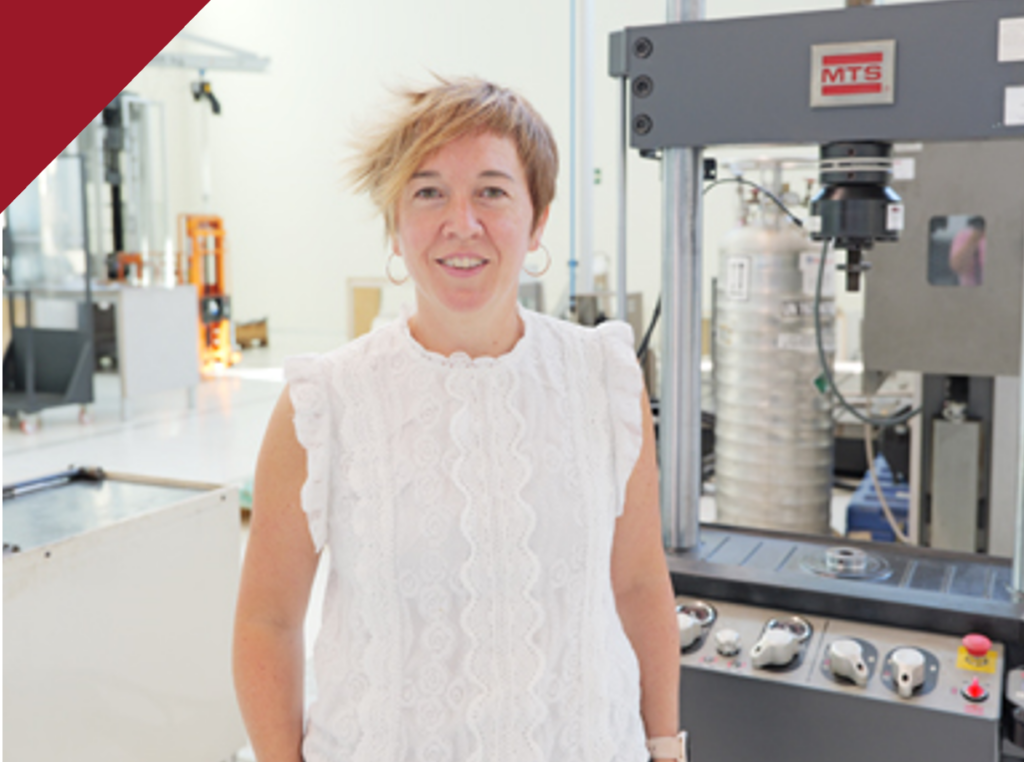
Maider Arejolaleiba
Quality
The accreditations and approvals that make up our quality system are the result of extensive experience in analysis and characterization activities, as well as a long-standing commitment to adapting our capabilities to the requirements of increasingly demanding industrial sectors. Today, AZTERLAN holds one of the broadest accredited testing scopes in Spain’s industrial sector under the ISO/IEC 17025 standard.
We continue to selectively expand the scope of our accredited services while progressing toward new customer approvals in demanding sectors such as aerospace. This steady evolution aims to incorporate new capabilities in an orderly manner, ensuring their integration and consolidation within our quality system while strengthening the value we deliver to industry.
Our goal is to maintain a quality system and service portfolio capable of evolving at the same pace as industrial processes and market requirements, while ensuring technical rigor and the highest quality standards.
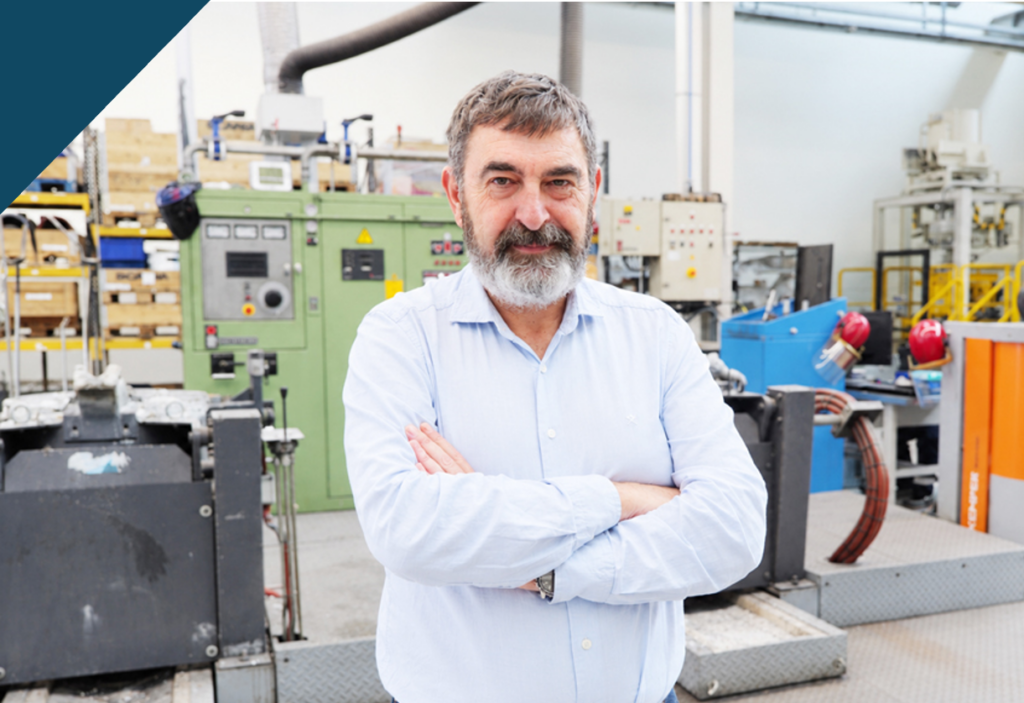
Aitor Loizaga
Iron Foundry Technologies
The foundry industry faces the need for a profound transformation driven by factors related to the availability and cost of raw materials and energy, as well as increasing competition in a global marketplace. At the same time, many Industry 4.0 technologies are emerging with promises that are often difficult take into practice. Our approach is based on integrating metallurgical expertise with advanced tools such as artificial intelligence, expert systems, and predictive models, developing industrial solutions that improve process control and efficiency, minimize resource consumption and non-value-added operations, and accelerate the development of new materials and technologies for our customers.
Operating beyond our local market, and beyond Europe, has become a strategic requirement for the development of our area. The evolution of the industry and the ongoing consolidation of the sector require us to expand our presence in international markets if we want to participate in projects with greater technological scope and impact. Much of our progress is built on the trusted relationships established over many years with OEMs and leading manufacturers, which validate our capabilities and, in many cases, serve as gateways to new customers and international projects. In the coming years, we will continue working to strengthen these partnerships and expand our presence across leading industrial ecosystems. At the same time, we maintain close collaboration with the foundries in our local industrial environment, which play a key role as partners in the development, validation, and industrialization of new technological solutions. Our ambition is for these companies to continue advancing their technological transformation and strengthen their leadership positions within their respective markets.
Our vision is to continue strengthening a value proposition that combines applied research, technological development, and industrial transfer. We aim to further expand our capabilities to support customers from the earliest stages of development. The combination of simulation, casting design, prototyping, and experimental validation will enable us to play an increasingly active role in optimizing new components and manufacturing processes, reducing development times and accelerating industrialization.
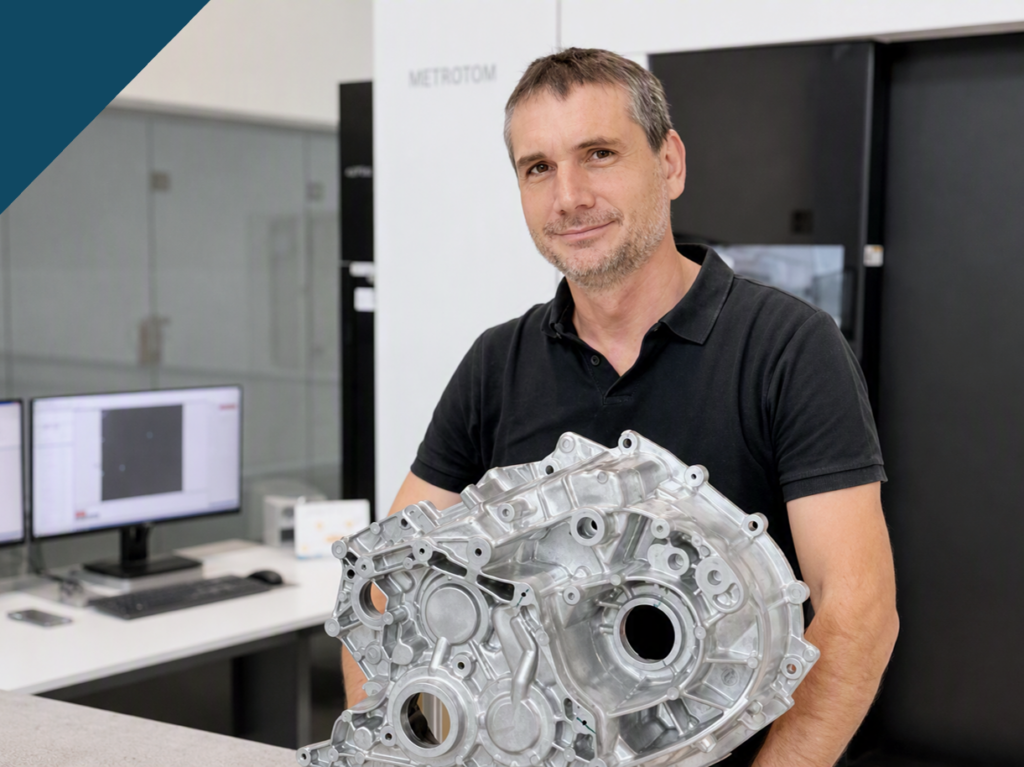
Dr. Asier Bakedano
Lightweight Materials
More than ever before, components manufactured from lightweight materials face increasingly demanding performance requirements and must fulfill more critical functions across a wide range of structures, while also addressing challenges related to industrial decarbonization and the supply of raw materials. This requires continued progress in understanding and controlling both the material and the manufacturing process, ensuring that the metal possesses the characteristics required to produce components reliably and safely, while also understanding how manufacturing conditions influence their integrity and final performance in order to optimize both the process and the product.
In this context, we work in three key areas: 1) metal quality control, to enable greater incorporation of recycled and secondary materials without compromising safety or performance; 2) optimization of manufacturing conditions through new vacuum systems and thermal management strategies to reduce defects and improve component properties; and 3) the development of advanced process control systems and digital twins, supported by the monitoring of critical process and mold parameters.
Our strategy is based on integrating knowledge of the material, the manufacturing process, and the data generated during production to better understand how component performance is built and influenced. We work closely with industrial companies and align our activities with their objectives, jointly addressing specific challenges from the earliest stages and validating the knowledge generated under real manufacturing conditions. The goal is to move toward more predictable and controlled processes while accelerating the transfer of knowledge into new applications and solutions.
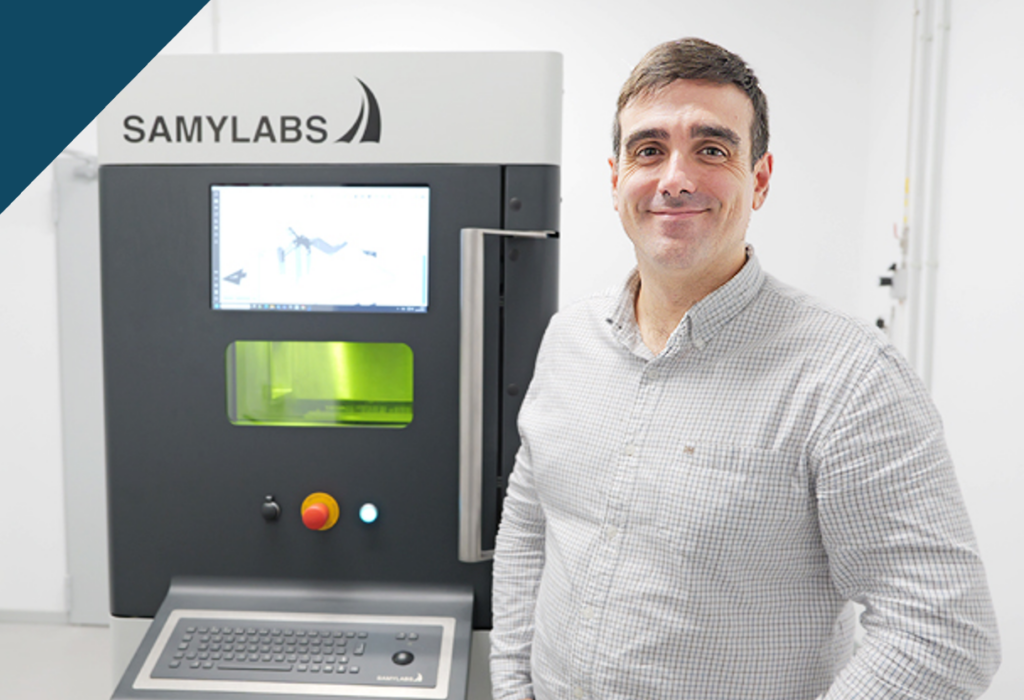
Dr. Garikoitz Artola
Forming Technologies
Guided by the philosophy of integrating emerging technologies to solve complex, high-impact industrial challenges, we work across a wide range of fields. One of our most promising areas focuses on the application of advanced digital tools, including artificial intelligence and quantum computing, to address design, simulation, and optimization challenges that reduce development times and accelerate the industrialization of new forming tools and tooling systems.
We are also focused on developing advanced manufacturing and thermal management solutions by combining forming technologies, controlled solidification, additive manufacturing, and metal powder processing. In this context, we are working on new concepts of accelerated solidification and thermal process control aimed at achieving higher-performance materials and more efficient manufacturing processes. These capabilities also enable us to develop complex geometries and high-value functional solutions, such as high-performance heat exchangers. Among these developments, a proprietary advanced cooling technology currently undergoing intellectual property protection stands out. It has been designed to maximize heat transfer capacity in next-generation industrial and energy applications.
Another of our strategic priorities is related to materials for the energy transition. In this field, we work on understanding the behavior of materials exposed to hydrogen, as well as developing experimental capabilities for testing at extreme temperatures and in cryogenic applications. Our objective is to contribute to the design of materials and components capable of operating safely and reliably within the energy systems of the future.
In addition, we develop advanced monitoring, inspection, and characterization technologies for materials and manufacturing processes, including new systems for assessing the internal integrity of components and monitoring material behavior during manufacturing and service. We also investigate surface engineering solutions, functional coatings, and localized material deposition technologies aimed at improving the performance of components operating under demanding service conditions. The combination of these capabilities allows us to optimize industrial processes, gain deeper insight into material behavior, and generate knowledge applicable to sectors with stringent technological requirements.
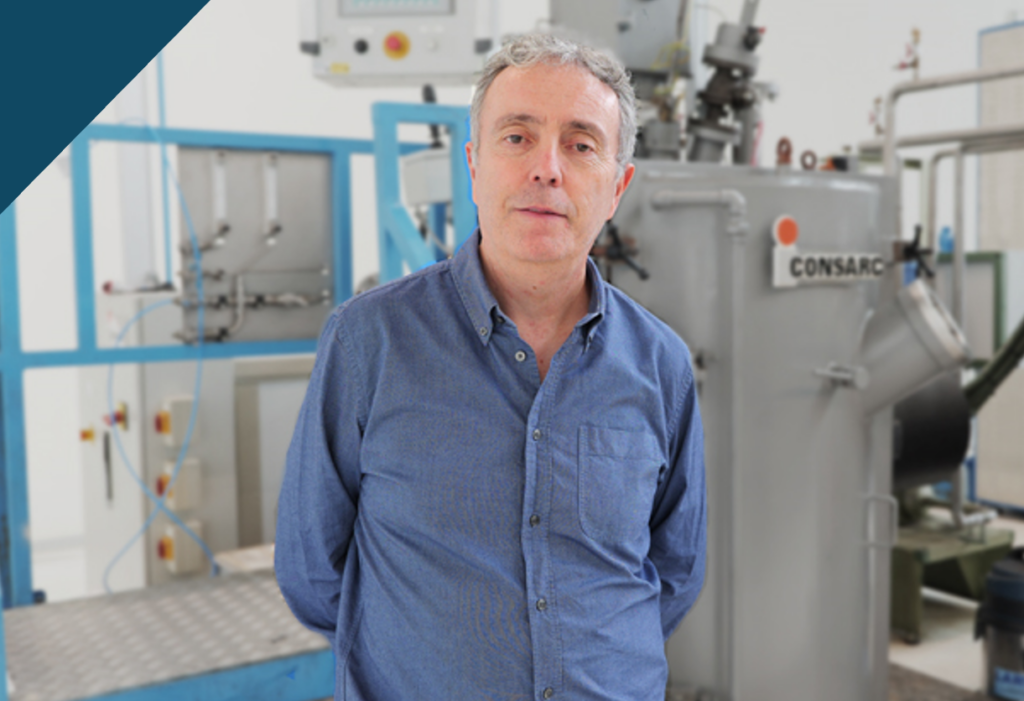
Fernando Santos
Special Materials and Processes
Electrification, the circularity of critical materials, and the reduction of resource consumption are priorities being promoted by the European Union and increasingly directed toward the industrial sector. In line with this strategy, new demands are emerging in the fields of materials, manufacturing technologies, and process control. Responding to these challenges requires not only optimizing existing solutions, but also anticipating future needs and exploring materials, processes, and combinations that are still unknown or remain at an early stage of development, carrying out bold experimental proof-of-concept activities that often go beyond the predictable approaches of AI and are instead driven by the creativity that remains uniquely human.
To help prepare industry for the challenges ahead, our work focuses on several areas with strong industrial application potential: new functional and high-performance materials, lightweighting solutions and multi-material structures, and new processes to improve the utilization of raw materials and resources. Among other research lines, we work on soft magnetic materials for electrification-related applications, advanced steels with superior specific strength, hybrid structural materials combining mechanical, thermal insulation, and reflective properties for sectors such as aerospace, transportation, construction, and alternative energy storage, as well as advanced metal refining and recovery processes aimed at valorizing metals in high-value applications such as the battery industry. These different approaches address common industrial and societal objectives and are aligned with the United Nations Sustainable Development Goals and the Ten Principles of the UN Global Compact.
More specifically, we integrate knowledge of materials, manufacturing processes, and characterization, validation, simulation, and control tools, seeking to understand how production conditions determine material properties and final performance. We develop new methodologies and technologies for process control and optimization, as well as tools that enable the correlation of manufacturing parameters with the resulting microstructure and performance. Our objective is to transform the knowledge generated into solutions and capabilities that can be transferred to industry, combining application-oriented research with more exploratory activities that open up new opportunities for the future.
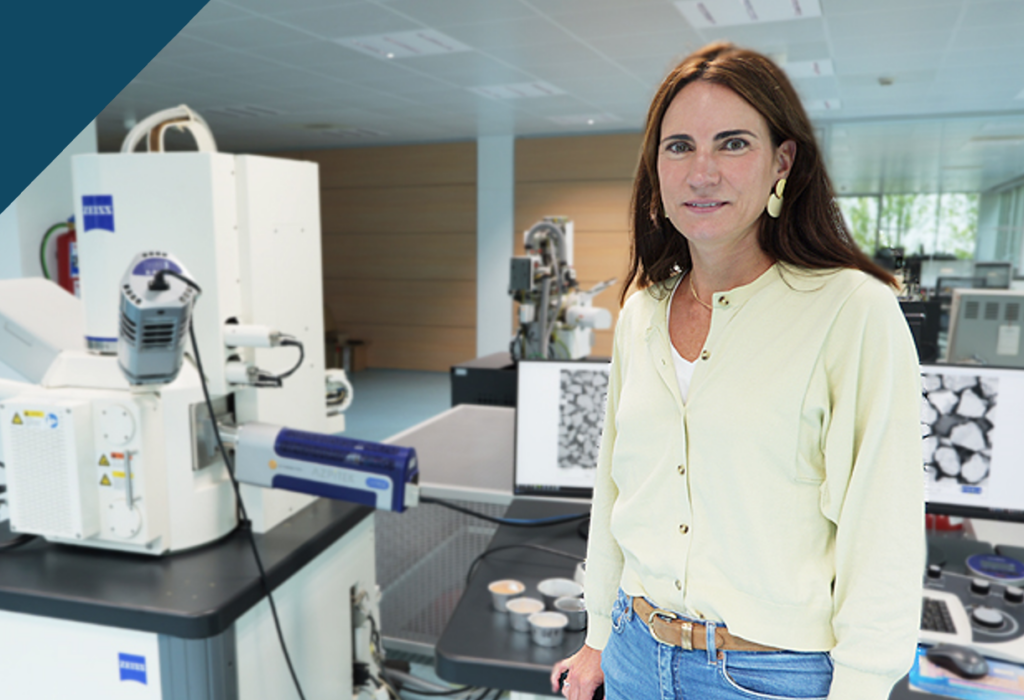
Lucía Unamunzaga
Sustainability and Environment
Advancing toward more sustainable and environmentally responsible industrial processes not only helps reduce environmental impact, but also represents an opportunity to improve the efficiency, safety, and resilience of industrial operations. In this context, key sustainability indicators are closely linked to manufacturing performance indicators, as parameters such as energy and raw material consumption, emissions, and waste generation reflect important aspects of process performance, making it possible to identify opportunities to improve efficiency and enhance competitiveness.
Our research focuses on three main areas with significant potential to reduce environmental and health impacts: 1) reducing dependence on critical raw materials (CRMs) and the consumption of key raw materials, 2) increasing material circularity, and 3) reducing energy consumption and reliance on fossil fuels.
We focus on generating knowledge that enables the redesign of industrial processes to simultaneously improve both environmental and production performance. In the field of pollutant and hazardous emissions, we investigate their origin and behavior to identify opportunities for process intervention and develop cleaner and safer solutions. In the area of energy efficiency and circularity, we work with advanced control and predictive systems to optimize energy consumption and recover waste heat. We also develop pathways for the regeneration and reuse of waste and by-products, as well as methodologies for the safe incorporation of secondary raw materials.
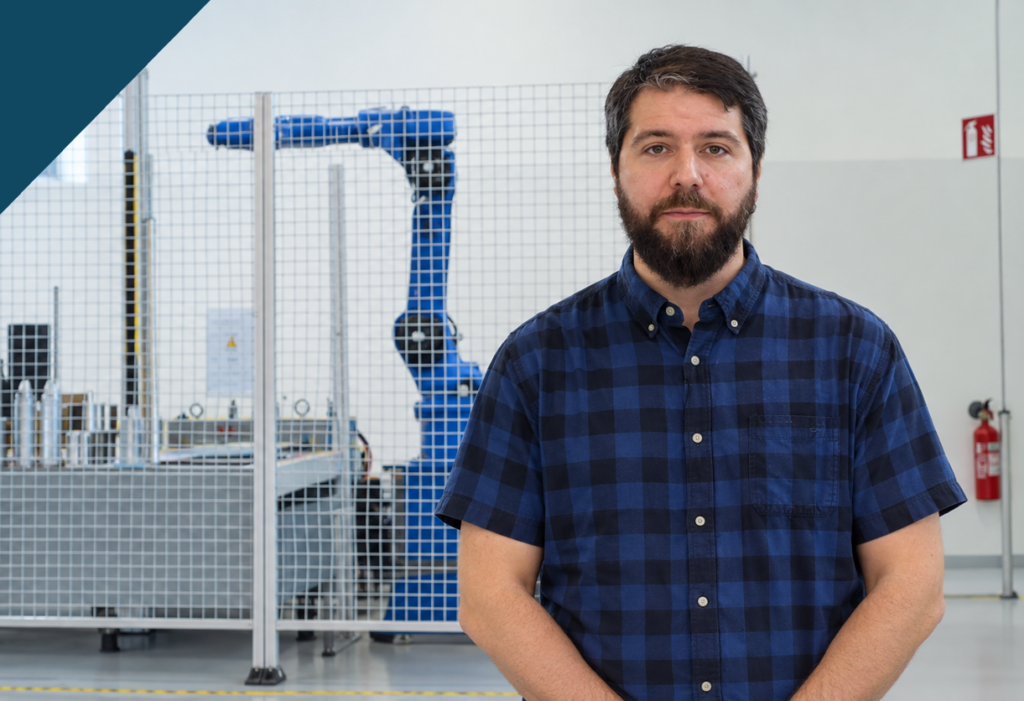
Dr. Javier Nieves
Intelligent Manufacturing Technologies
For years, industrial digitalization was largely about collecting more data, monitoring more variables, and generating more information. Now, what is probably the most exciting phase is beginning: being able to truly understand it. Process data is now complemented by documents, images, expert knowledge, previous experience, and context. The opportunity lies in combining all of this information to gain a deeper understanding of what is happening, anticipate what may happen next, and make decisions with greater knowledge and less uncertainty.
This is where we are focusing a significant part of our efforts. We are working on how to transform information into actionable knowledge through the combination of different digital technologies, from machine learning, generative and multimodal AI models, modeling, simulation, and digital twins to emerging computing paradigms such as quantum computing. The goal is not the technology itself, but rather having better tools to understand processes, evaluate scenarios, and support decision-making.
There is one thing that does not change: all of this must serve people. Our research is targeted to these technologies to amplify the knowledge and capabilities of those who design, operate, and improve industrial processes. After decades of generating knowledge in materials science and industry, our challenge is to connect that expertise with new digital capabilities to help industry understand better, decide better, and transform better.