
Dr. Enara Mardaras, Head of R&D in Corrosion and Materials Protection at AZTERLAN, has participated in both the Organizing and Scientific Committees of the 18th National Congress on Materials CNMAT 2026. She has also played a key role in the development of the scientific program, acting as moderator of symposia dedicated to corrosion and as a speaker in both the official congress program and the Materials Characterization School.
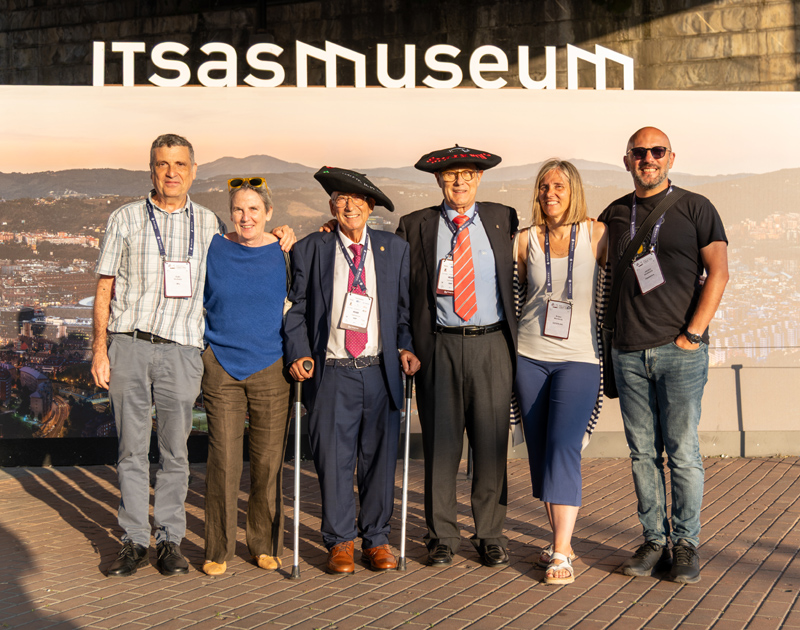
From left to right members of the Organizing Committee and awardees for their career achievements: Iñaki Hurtado (Mondragon University), Congress President Teresa Guraya (UPV/EHU), Juan Bautista Carda (Jaume I University), Juan José de Damborenea (CENIM-CSIC), Enara Mardaras (AZTERLAN), and Javier Barriga (Tekniker).
CNMAT 2026 has brought together a very broad community. What has made this edition special?
From the Organizing Committee’s perspective, the overall assessment of the Congress is positive, both in terms of its size and its balance. From a scientific standpoint, we had more than 300 oral contributions and over 100 posters. In this regard, it is worth highlighting the connection between the topics addressed and current social, industrial and environmental challenges.
However, I believe the most remarkable aspect of this edition has been the innovative formats introduced under the IRON BIZIRIK (Iron Alive) initiative, through which we aimed to highlight the metallurgical heritage of our region. With various activities such as company visits, visits to iconic sites, workshops to bring materials science closer to children (TxikiMat), and keynote talks and discussions with a “special touch”, we have given the Congress a new dimension and brought it closer to new audiences. The feedback from participants has been very positive.
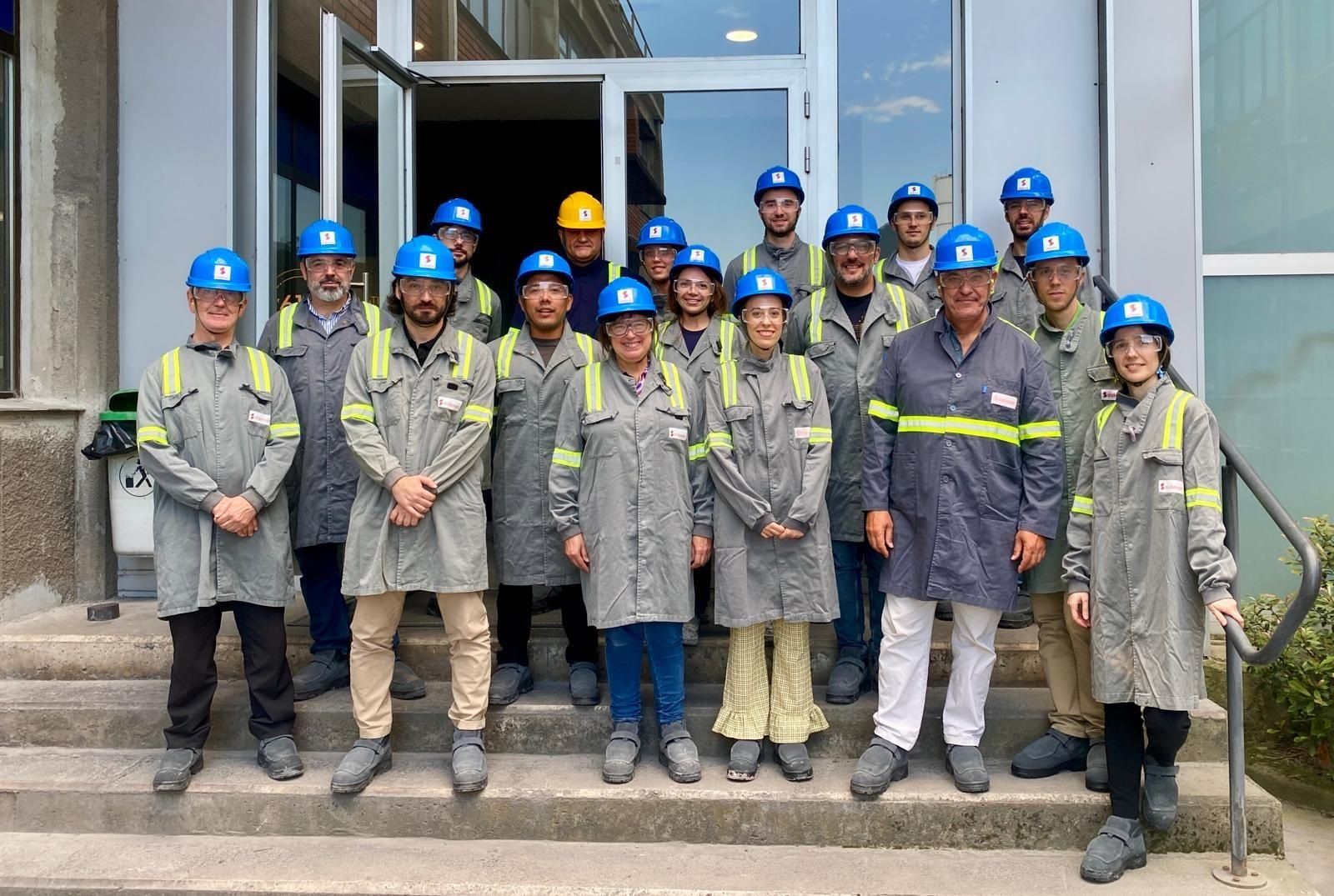
CNMAT 2026 participants during a visit to Sidenor Basauri facilities (activity within IRON BIZIRIK program).
AZTERLAN has had a very active participation in the congress…
We believe AZTERLAN’s contribution has been very comprehensive and fully aligned with our mission of transferring knowledge to industry. The six research studies we presented at CNMAT 2026 address areas directly linked to current challenges: corrosion in advanced manufacturing processes, oxidation resistance of cast irons, analysis and optimization of wear behavior, and new techniques for materials characterization.
Additionally, we have participated in the Materials Characterization School (another innovative format introduced in this edition), delivering training on electron microscopy, EBSD, and corrosion assessment techniques. This reinforces the training component of the Congress and demonstrates the important role that Technology Centres play in transferring practical knowledge.
In my case, I also had the opportunity to moderate several technical sessions focused on corrosion, my area of expertise, contributing to the development of the scientific program.
The congress has focused on challenges such as decarbonization and critical materials. What role does research play in this context?
An absolutely strategic one. The sessions dedicated to decarbonization and critical materials highlight that materials are a key enabler for a more efficient industry, a more self-sufficient economy, and a successful energy transition.
Research is no longer understood solely as the generation of knowledge, but as a tool aimed at addressing major industrial and societal challenges.
What legacy would you like CNMAT 2026 to leave?
I would like this 18th edition to be remembered as one that has strengthened the connection between science, industry, and society; an edition that has gone beyond the research community and innovated in the very way of “attending” a congress. I believe the IRON BIZIRIK initiative has been key in opening up the congress and making it more connected to its surroundings.
In this sense, I would highlight the integrative capacity of this edition of CNMAT: combining young and senior research talent, science and society… bringing together and valuing the past and the unique characteristics of each place as a fundamental tool for understanding the present.
About CNMAT 2026
The CNMAT National Materials Congress is an initiative promoted by the Sociemat Association, held every two years at different locations across Spain. This year’s edition took place in Portugalete, with the University of the Basque Country (UPV/EHU), Mondragon University, and the technological centers AZTERLAN and Tekniker participating in the Organizing Committee.
In this edition, the Congress served as the setting for the presentation of career awards to Juan José de Damborenea González (CENIM-CSIC), National SOCIEMAT Award for Best Scientific Career in Materials Science and Technology, and Juan Bautista Carda Castelló (Jaume I University), National Sociemat Acers España Award for Career Achievement in Glass-Ceramic Materials.